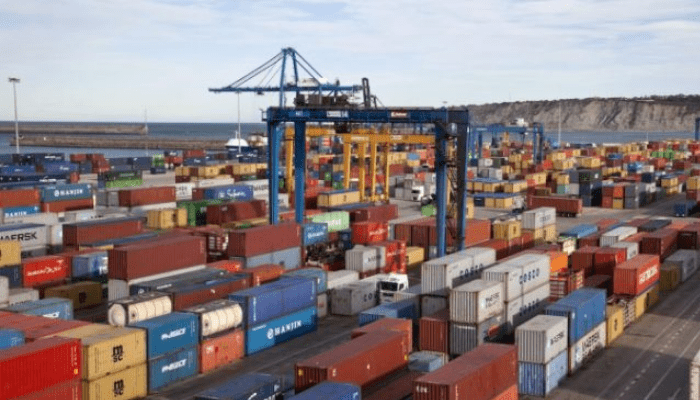
Investor fatigue and a $14bn infrastructure shortfall have stalled Nigeria’s deep-seaport renewal plan, slowing progress on key maritime projects aimed at easing port congestion and boosting trade.
Industry experts say the high cost of infrastructure development, bureaucratic delays, and unclear regulatory frameworks continue to discourage investors. Despite government promises to modernize Nigeria’s ports, major deep-sea initiatives like the Badagry and Ibom Deep Seaports remain incomplete.
A maritime analyst, Mr. Emeka Obi, noted that without a strong public-private investment strategy, deep-seaport projects will keep lagging. “Private investors are wary due to unstable policy direction and slow government counterpart funding,” he said.
While the Lekki Deep Seaport has made some progress, other proposed ports have yet to attract the level of interest needed to proceed. The Infrastructure Concession Regulatory Commission also confirmed that several seaport PPP projects remain under review, awaiting final approvals or funding commitments.
Furthermore, stakeholders believe investor fatigue is linked to Nigeria’s weak business environment and the absence of long-term incentives. The Maritime Workers Union also raised concerns about job losses caused by port delays and inefficiencies.
The Minister of Marine and Blue Economy, Adegboyega Oyetola, recently acknowledged the infrastructure funding gap and called for renewed collaboration with the private sector to unlock stalled projects. He stressed that Nigeria’s maritime potential remains untapped without modern ports.
Analysts say unless the government addresses regulatory uncertainty, improves port access roads, and strengthens public-private trust, the dream of efficient deep-seaports may remain out of reach.