






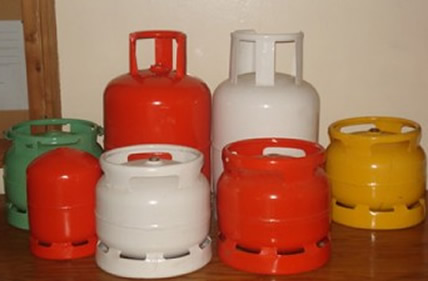
More than 20 million Nigerian households continue to rely on firewood and charcoal for cooking, as high cooking gas prices push clean energy sources out of reach for many families. Despite campaigns promoting liquefied petroleum gas (LPG) as a safer and more environmentally friendly option, affordability remains a major barrier.
Experts say the sharp rise in cooking gas prices over the past two years has forced low-income earners to return to traditional fuels. In rural and semi-urban areas, many families now prefer firewood and charcoal due to their availability and lower upfront cost, even though they pose serious health and environmental risks.
The President of the Nigerian Association of Liquefied Petroleum Gas Marketers, Oladapo Olatunbosun, confirmed the troubling trend. He said demand for LPG has dropped significantly, especially in lower-income areas. “Households are shifting back to firewood because they can’t afford the gas anymore,” he said.
LPG, which sold for around N4,000 for a 12.5kg cylinder in early 2022, now goes for over N12,000 in some states. This price hike has placed immense pressure on families already battling inflation and economic hardship.
Environmentalists warn that continued reliance on firewood and charcoal could worsen deforestation and air pollution. They urge the government to reduce taxes on LPG and support local production to stabilise prices.
Without swift intervention, experts fear Nigeria may miss its clean energy targets, while millions continue to suffer health problems from smoke-filled kitchens.








