






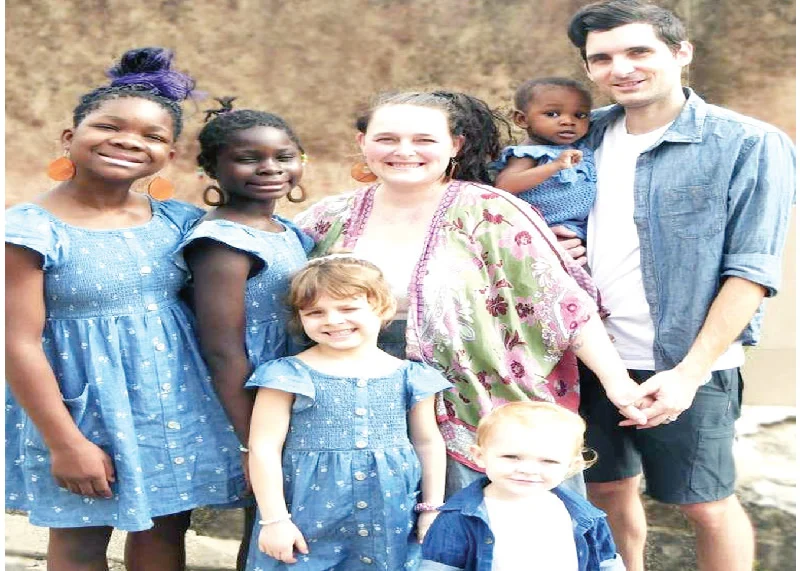
An American family has said changes to U.S. visa policy under President Donald Trump left them stranded in Nigeria after years of pursuing international adoption.
The family said their decision to adopt was driven by faith and a long-held commitment to providing homes for children in need, not by a preference for any particular country. They said they came to Nigeria because that is where two of their children were located.
“We believe God leads us where we are meant to be, especially when it comes to welcoming children into our family,” the family said, adding that they were open to adopting from anywhere, including Nigeria or Ghana, as long as it meant giving a child a stable and loving home.
They described adoption as a demanding and highly regulated process, even within the United States, involving background checks, interviews and investigations. International adoption, they said, is even more complex, with additional scrutiny introduced after 2020 as governments sought to prevent child trafficking and wrongful family separations.
The family said they underwent extensive vetting by both U.S. and Nigerian authorities, including reviews of their finances, mental and emotional health, marriage and ability to provide a safe home. They said they were cleared by the Federal Bureau of Investigation, the Department of Homeland Security , US Citizenship and Immigration Services before being allowed to travel. Nigerian authorities, they added, also verified that the child being adopted had no remaining family options.
Despite completing the required procedures, the family said a presidential proclamation effectively blocked adoption visas, leaving them unable to return home with their adopted children. They said waivers were rare and granted only when a case was deemed to benefit U.S. government interests.
They described the policy as unprecedented, saying it marked the first time in U.S. history that adopted children were barred from entering the country. Even during previous immigration bans, they said, adopted children had always been exempt.
“We are U.S. citizens, and once our adopted children enter the United States, they automatically become citizens,” the family said. “There is no reasonable explanation for why adopted children should be treated this way.”








