Many Nigerians are urging the United States to sustain and expand its military strikes on terrorist bases after a U.S. missile attack on Christmas Day failed to halt killings and kidnappings in parts of northern Nigeria.
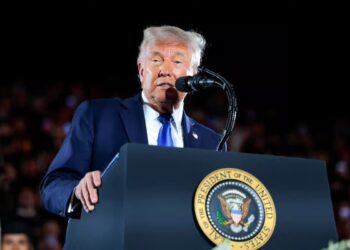
The United States launched a missile strike Dec. 25 on an enclave in northwestern Sokoto State believed to be occupied by terrorists, warning that further attacks would follow if violence against civilians continued. The strike raised hopes among residents that it would weaken armed groups responsible for years of banditry and jihadist violence.
Those hopes have largely faded. In the weeks since the attack, assaults, abductions and killings have continued, prompting debate over the effectiveness of a single strike and renewed calls for sustained U.S. intervention.
Zik Gbemre, coordinator of the Niger Delta Peace Coalition, said Nigeria’s security forces are overwhelmed and lack the capacity to defeat terrorists without foreign support. He urged President Bola Tinubu to formally invite the U.S. military to carry out more strikes until insurgents are flushed out.
“The only hope Nigeria has is sustained U.S. intervention,” Gbemre said, dismissing concerns about sovereignty and calling for continued pressure on Washington to target terrorist hideouts.
Others echoed the view that one strike was insufficient. Okokon Ndinam Albert, a Calabar-based lawyer, said the attack sent a strong signal but could not dismantle terror networks that have spread across several states. He called for frequent, targeted airstrikes and drone surveillance, similar to U.S. operations against Islamic State militants elsewhere.
However, some groups cautioned against overreliance on foreign air power. Afenifere, a Yoruba socio-political group, said isolated strikes rarely produce lasting results without a broader strategy focused on intelligence, civilian protection and strengthening Nigeria’s own security institutions.
“Early indications suggest the strike did not achieve its intended deterrent effect,” said Abagun Kole Omololu, Afenifere’s national organizing secretary, noting that attacks on civilians have continued.
Public affairs analysts also offered mixed assessments. Some described the U.S. action as largely symbolic, warning it may have provoked retaliation or forced militants to disperse into new areas. Others argued that sustained international support, including intelligence sharing and logistics, could significantly degrade terrorist networks if coordinated with Nigerian forces.
Prof. Benjamin Okaba, president of the Ijaw National Congress, said the surge in violence underscores deeper failures in Nigeria’s security architecture. He called for sweeping reforms, improved intelligence coordination and better governance to address poverty and marginalization that fuel recruitment by armed groups.
Civil society voices also weighed in. Emmanuel Olowu of the Osun Civil Society Coalition said the strike appeared “cosmetic,” urging the U.S. instead to provide equipment and closely monitor its use by Nigerian forces. Several lawyers and analysts stressed that foreign support should prioritize intelligence, surveillance and cutting off terrorist financing rather than sporadic airstrikes.
Still, others insist continued U.S. pressure is necessary. Comrade Ozobo Austin, president of the Ijaw People Development Initiative, said the strike instilled fear within terror networks and should be followed by attacks on additional bases, logistics camps and financiers.
“The attacks should be sustained,” he said, “to completely degrade their capacity.”
Despite differing views, there is broad agreement that the Christmas Day strike alone has not brought relief to affected communities. Many Nigerians now say only a sustained, coordinated campaign — combining foreign support with stronger domestic action — can bring an end to the violence.