The Nigerian Association of Nephrology says about 10% of Nigerians — an estimated 24 million people — are living with chronic kidney disease, warning of a rapidly growing public health crisis.
The association’s president, Prof. Olugbenga Awobusuyi, raised the alarm Tuesday at the group’s 38th Annual General Meeting and Scientific Conference in Maiduguri, the capital of Borno State.
Awobusuyi described the rising prevalence of kidney disease as a serious national concern that requires urgent and sustained attention from federal, state and local governments.
“Chronic kidney disease affects about 10% of Nigeria’s adult population, a figure that reflects the scale of the emerging health care crisis in the country,” he said.
He said early detection can significantly improve outcomes, but warned that late diagnosis often leads to extremely expensive treatment that can push families into financial hardship.
“The real problem arises when it is not identified on time. Treatment then becomes extremely expensive, often pushing families into catastrophic situations and worsening the condition,” he said.
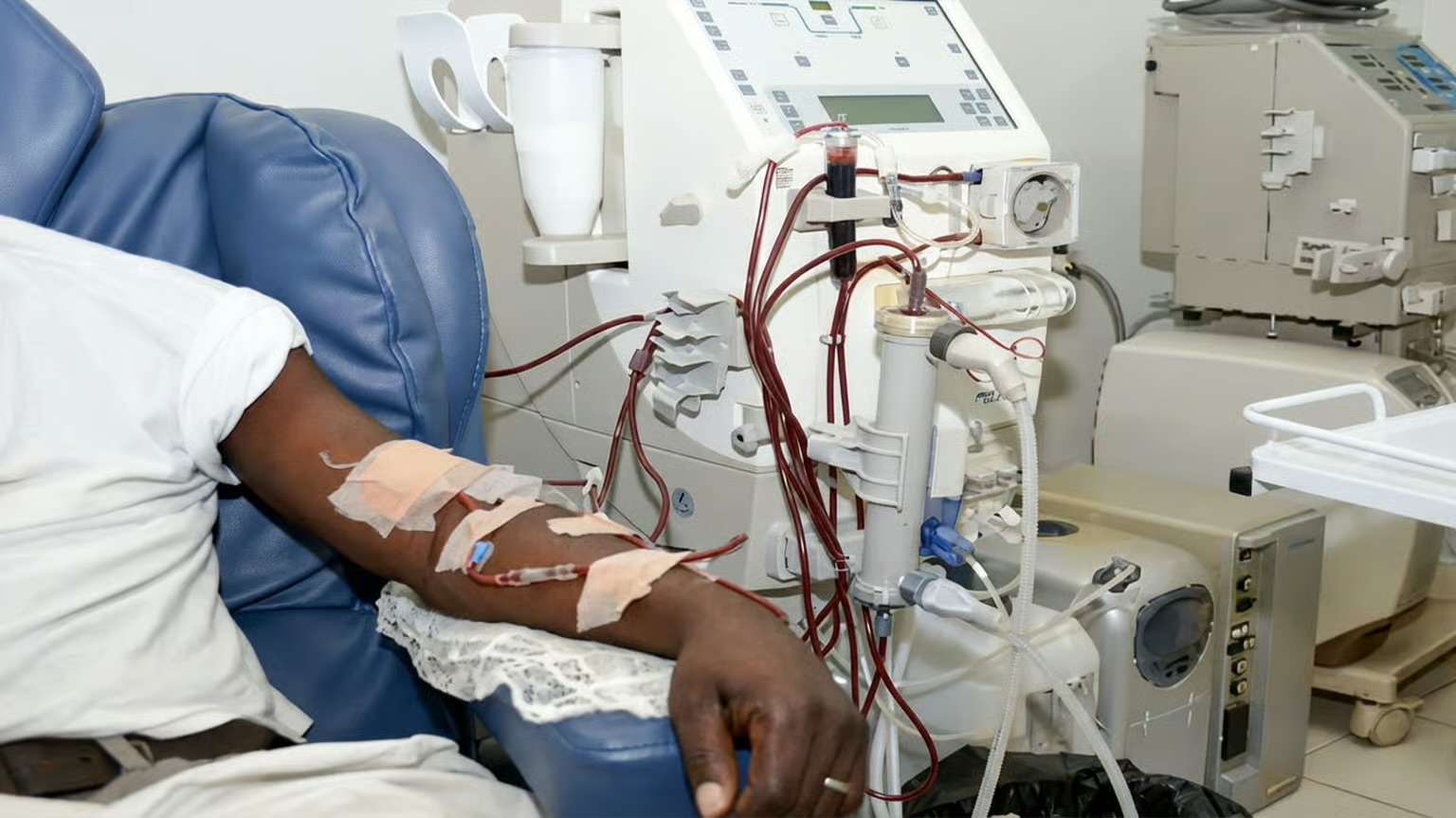
Awobusuyi called on the country’s 36 state governments to establish more dialysis centers, saying federal health facilities alone cannot meet current demand.
He said Nigeria has more than 200 functional dialysis units, with about 800 operational dialysis machines nationwide — far fewer than needed to address the growing number of patients.
He commended states that have already set up dialysis centers to support people with kidney disease.
Awobusuyi said the conference brought together government officials, health workers, civil society groups, traditional rulers and journalists to raise awareness and discuss strategies to strengthen kidney care in hospitals across the country.
Participants also reviewed new trends in kidney care, recent research in Nigeria and broader public health challenges related to managing kidney disease nationwide, he said.