






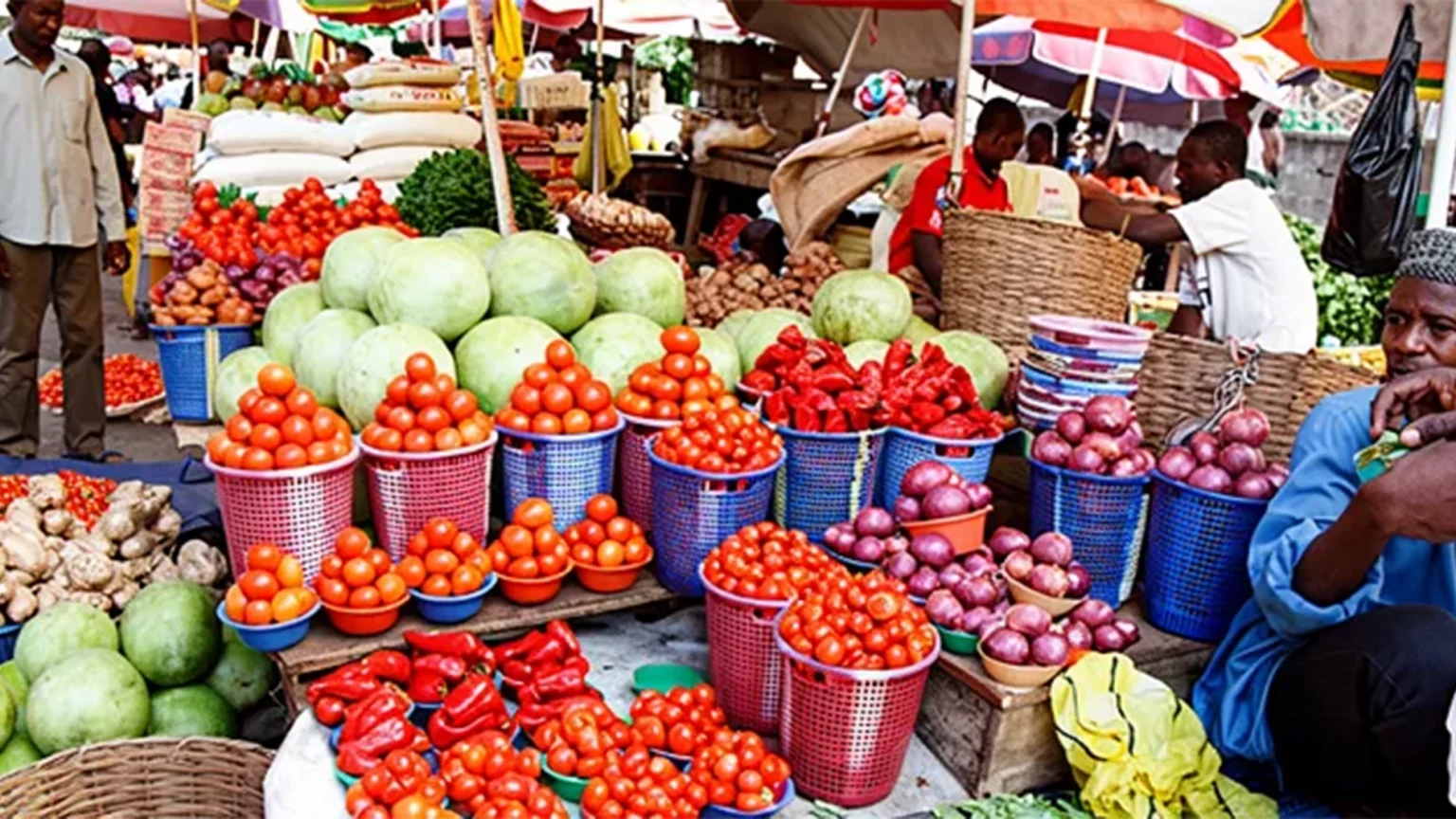
Nigeria recorded single-digit food inflation for the first time in more than a decade in January 2026, offering a major reprieve for households struggling with rising living costs.
According to the latest Consumer Price Index report released Tuesday by the National Bureau of Statistics, food inflation—the largest component of household consumption—fell to 8.89 percent year-on-year, down from 29.63 percent in January 2025. Month-on-month, food prices declined 6.02 percent, compared with a 0.36 percent drop in December 2025, indicating technical deflation.
Headline inflation moderated slightly to 15.1 percent in January, down from 15.15 percent in December 2025. Analysts attributed the decline in food prices to aggressive monetary policy, seasonal effects, a stronger naira, food import waivers, and increased domestic production.
The reduction in food costs comes after a period of extreme volatility. Food inflation peaked at 40.87 percent in June 2024, contributing to widespread household food insecurity.
While consumers benefit from lower prices, analysts and industry groups warn that farmers face declining incomes and rural economic instability. The Centre for Promotion of Private Enterprise (CPPE) called for market-friendly price stabilization measures to protect farmers’ earnings and prevent import-driven price collapses. The organization recommended minimum guaranteed prices for strategic commodities such as maize, rice paddy, sorghum, and soybeans, emphasizing that such policies should function as stabilizing backstops rather than open-ended government procurement programs.
The Emir of Kano, Muhammadu Sanusi ll, also urged the government to halt food importation, warning that local farmers are unable to recover costs due to cheaper imported alternatives. NBS data showed Nigeria spent 5.27 trillion naira on food and beverage imports in the first nine months of 2025.
Economists said the return to single-digit food inflation could allow for cautious monetary easing while noting that core inflation remains elevated at 17.72 percent. Lower food prices may strengthen real household purchasing power and support consumer demand, particularly among low-income populations, but they also compress margins for crop production and threaten long-term agricultural sustainability.
Cowry Research projected that inflation would continue moderating in the near term, driven by improved foreign exchange stability, relatively subdued energy prices, and favorable base effects from last year’s elevated price levels. However, the firm cautioned that structural constraints, including logistics bottlenecks, insecurity in farming regions, and weather-related disruptions, could still trigger localized price spikes.
The January 2026 figures mark the culmination of a seven-month decline from the highs that defined much of 2024, signaling a potentially transformative shift for Nigeria’s food economy if policymakers can balance consumer relief with farmer support.








