Nigeria is set to begin exporting a new light, sweet crude grade known as Cawthorne in March as part of efforts to boost oil production and sustain recent output gains, the Nigerian National Petroleum Company Limited said.
A spokesperson for the company confirmed the development to Reuters on Tuesday, saying the move is expected to strengthen Nigeria’s position within the Organization of the Petroleum Exporting Countries as it pushes for higher production targets.
The launch is part of broader efforts to raise output, which has been constrained for years by oil theft, pipeline vandalism and insecurity in the Niger Delta. A source familiar with the plan said the first export cargo is expected in the third week of March.
Cawthorne crude, with an API gravity of 36.4, is similar in quality to Nigeria’s flagship Bonny Light, a grade widely valued by refiners for its high yields of gasoline and diesel. The company issued a tender last week for cargo loading scheduled for March 24-25.
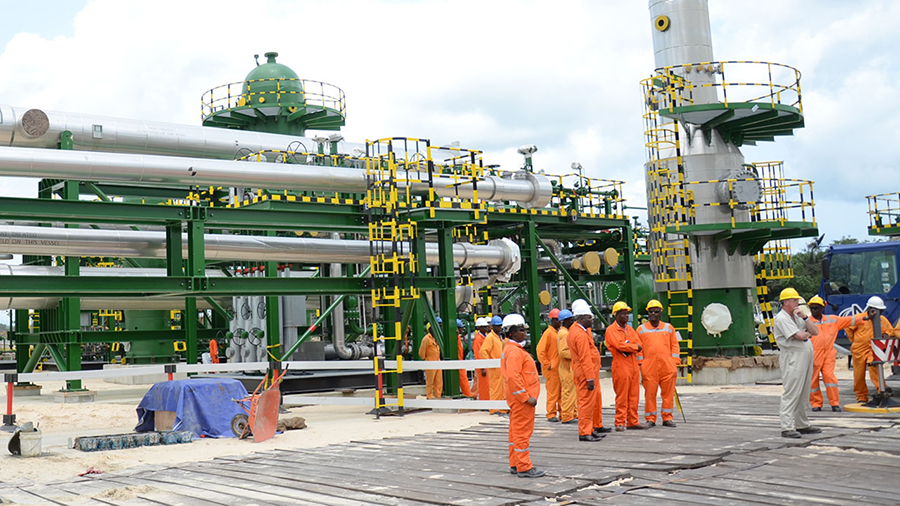
Analysts at energy intelligence firm Kpler said the crude will be exported via the Cawthorne floating storage and offloading vessel, which has a capacity of about 2.2 million barrels. The facility supports production and transportation from Oil Mining Lease 18 and nearby assets in the eastern Niger Delta.
The introduction of the new grade could lift Nigeria’s crude and condensate output from about 1.65 million barrels per day to around 1.7 million barrels per day, depending on operational stability and demand.
Nigeria’s production quota under the OPEC+ framework is 1.5 million barrels per day. Data from the group showed the country produced about 1.48 million barrels per day in January.
Authorities have stepped up security across oil infrastructure in recent months, helping to reduce theft and improve output levels. Cawthorne is the third new crude grade introduced in recent years as the country seeks to diversify exports and attract more buyers.
Other grades launched include Obodo in 2025 and Utapate in 2024, part of efforts to improve pricing flexibility and strengthen Nigeria’s position in global oil markets.
Africa’s largest oil producer is pursuing reforms in the sector under President Bola Tinubu, aimed at increasing production, attracting investment and boosting government revenue.
Oil output had declined in recent years due to disruptions and divestments by international oil companies, but improved pipeline security and increased upstream activity are gradually restoring production.
Analysts say sustained output growth and the introduction of new crude grades could boost earnings, even as global oil prices remain volatile.