Foreign exchange outflow for medical travel by Nigerians rose to $549.29 million in the first nine months of 2025, a 17.96% increase from $465.67 million in the same period in 2024, according to data reviewed by Nigerian Mirror.
Analysts and health experts criticized the federal government for failing to curb medical tourism despite repeated pledges to improve local healthcare infrastructure and reduce dependence on treatment abroad.
The outflow reflects personal foreign exchange allocations obtained from the Central Bank of Nigeria for medical travel. While the CBN tracks the funds, it does not monitor how the money is spent.
CBN quarterly data for Q3 2025 show sustained growth in medical-related travel. Nigerians spent $151.53 million in Q1, $189.41 million in Q2, and $208.35 million in Q3, bringing the nine-month total to $549.29 million. By comparison, the same period in 2024 recorded $142.95 million, $153.67 million, and $169.04 million, respectively.
The increase underscores persistent demand for healthcare abroad, particularly for cardiovascular and other specialized treatments. Experts say declining trust in local services and systemic disruptions drive Nigerians with financial means to seek care overseas.
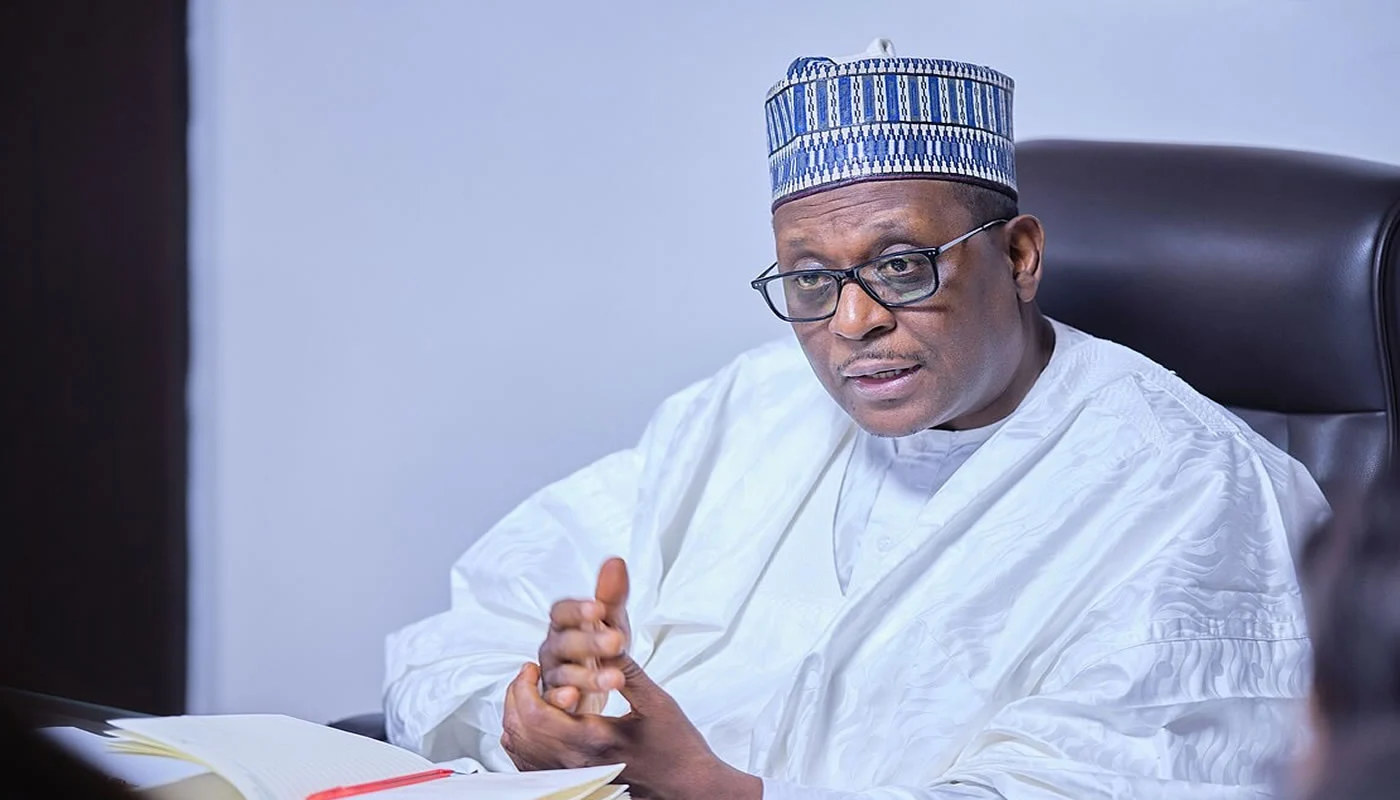
A recent high-profile case involved author Chimamanda Ngozi Adichie and Social Welfare Prof. Muhammad Pate pledged to prioritize health security and reduce outward medical travel. In April 2025, he said Nigeria loses about $2 billion annually to medical tourism and stressed the need to build health sovereignty.
Former President of the Pharmaceutical Society of Nigeria, Olumide Akintayo, blamed worsening conditions in local health facilities, pointing to inefficiencies, corruption, and prolonged strikes.
“The statistics confirm that the health system has only gotten worse. We have just witnessed the longest-ever strike of health workers in Nigeria — 84 days. When even a ward mate or ambulance driver goes on strike, the value chain collapses. Surgeries cannot run effectively, drug procurement is impaired, and diagnostics are disrupted,” Akintayo said.
He added that shortages of drugs such as cardiovascular medications, anti-diabetic agents, antibiotics, anti-cancer medicines, and anti-malarials push patients abroad. He also criticized the mismanagement of the drug revolving fund.
The rising FX outflow comes amid broader pressures to stabilize Nigeria’s external reserves and the naira.
Nigerian Medical Association President Prof. Bala Audu said most Nigerians seeking FX for medical travel likely pursue treatment for chronic and advanced diseases, particularly advanced cancers. He noted that the absence of detailed CBN data on travel purposes limits policy responses.
“Without that information, it is difficult to proffer solutions. Most likely, it will be for chronic debilitating diseases such as advanced cancers,” Audu said.
He added that Nigerian doctors are globally competitive, but gaps in equipment and infrastructure limit treatment availability. “The competent people are available, but some treatments require certain equipment or reagents that we don’t provide. Sometimes tests have to be sent abroad, even by major private laboratories,” he said.
Audu linked the challenges to poor funding, noting that of the 2025 capital budget of N218 billion, only N36 million was released. “The quality of healthcare we get is reflective of the quality of what we put in. If you provide bicycles, you cannot expect them to fly,” he said.
Former NMA President Prof. Mike Ogirima expressed concern over the FX outflow, describing medical tourism as a drain on the country’s foreign reserves.
“That means the country will not be buoyant enough to transact business across borders with dwindling foreign reserves due to high FX for medical tourism,” Ogirima said, citing poor equipment and underfunded hospitals as key drivers. He added that affluent Nigerians often travel abroad due to better-equipped facilities, while the “Japa” syndrome further escalates medical tourism.