Escalating military tensions involving the United States, Israel and Iran, and the near closure of the Strait of Hormuz are sending economic shockwaves globally, with Nigeria facing both potential gains and mounting risks.
The crisis has driven global oil prices to multi-month highs, improving revenue prospects for Nigeria’s oil sector. However, analysts warn that disruptions to shipping, rising freight rates and higher fuel and fertilizer costs could reverse recent gains in controlling food inflation.
The Strait of Hormuz — a key maritime chokepoint connecting the Persian Gulf to the Arabian Sea — is one of the world’s most critical trade routes. Countries bordering the waterway include Saudi Arabia, Iraq, United Arab Emirates, Iran, Kuwait and Quatar. An average of 17 million barrels of crude oil moved through the strait daily in 2025.
Although Nigeria is far from the conflict zone, the disruption of one of the world’s busiest shipping corridors has pushed crude prices higher while tightening global transport and agricultural input supply chains. Economists warn this could translate into renewed food price inflation for Nigerian consumers just as prices had begun to ease.
Data from the National Bureau of Statistics showed that Nigeria’s consumer price index moderated slightly in January 2026. Inflation fell to 15.10% year-on-year from 15.15% in December 2025, signaling early relief from prolonged price pressures on households.
The most notable development was a sharp slowdown in food inflation, which dropped to 8.89% year-on-year — the first single-digit reading in more than a decade. The decline reflected lower prices for staple foods including yam, eggs, maize, beans, cassava, palm oil and groundnut oil across markets nationwide.
On a month-to-month basis, food prices fell by 6.02% in January compared with December 2025.
However, analysts warn that the escalating conflict in the Middle East could trigger another wave of fuel and food inflation, threatening to reverse recent gains.
At the same time, higher global oil prices could boost Nigeria’s fiscal outlook. Brent crude has surged more than 10% following tensions around the Strait of Hormuz and is trading near $85 per barrel. Analysts say prices could approach $100 if disruptions persist.
Nigeria’s 2026 budget benchmark was recently revised down to $60 per barrel from $64.85. Higher prices could therefore generate additional revenue for the government.
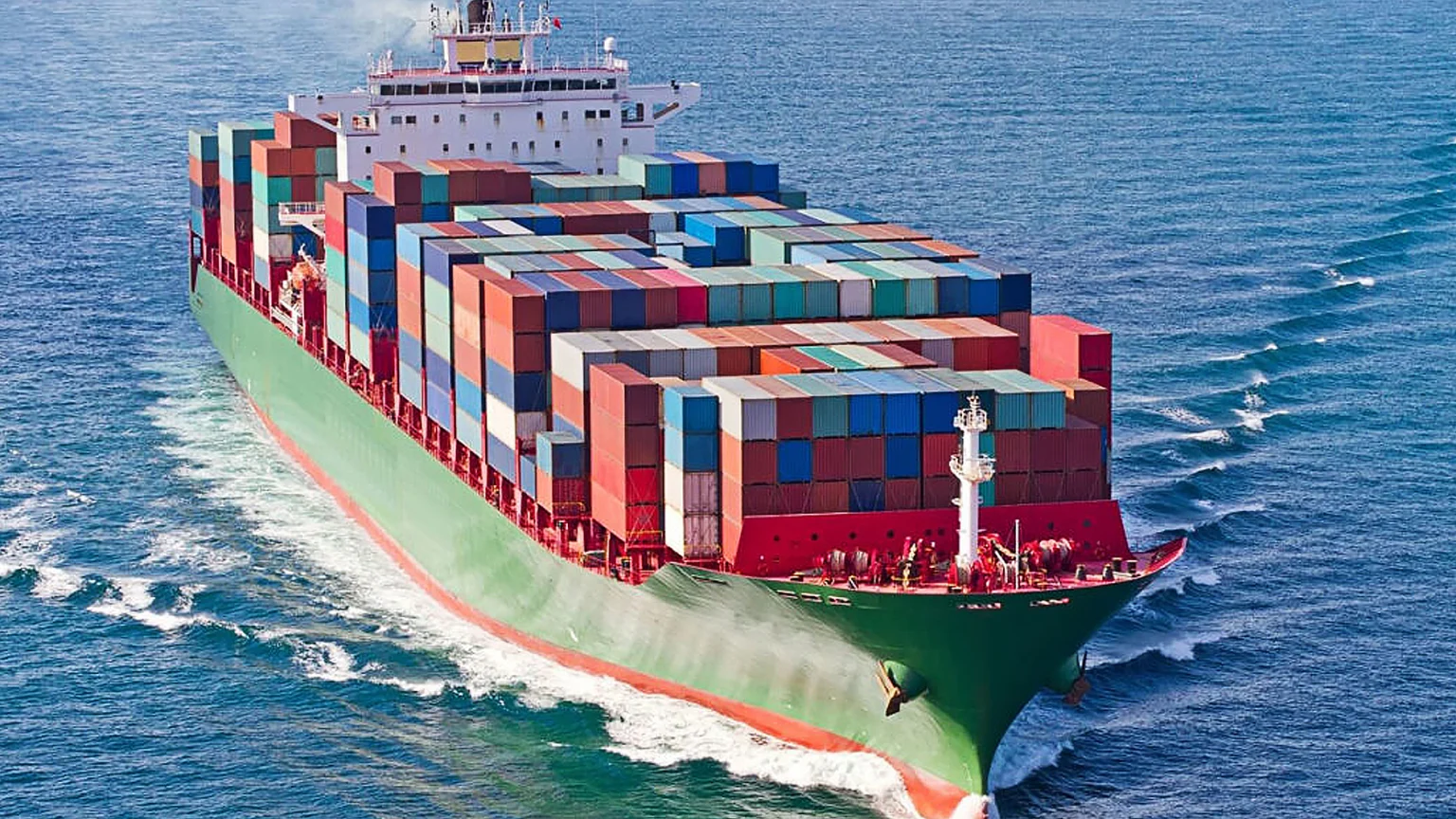
Shipping costs, however, are rising sharply. Major global shipping companies such as Maersk and MSC Mediterranean Shipping Company have introduced emergency surcharges.
Freight charges for a 20-foot container bound for Lagos have climbed to about $4,600, while a 40-foot container now costs around $5,600.
With the Strait of Hormuz under threat and the Red Sea shipping corridor facing security risks, some vessels have been delayed or rerouted, adding between 10 and 14 days to deliveries to Nigerian ports.
War-risk insurance premiums have also increased by as much as 400%. Importers of electronics, vehicle spare parts and industrial chemicals — many of which pass through Middle Eastern shipping hubs — are already passing higher costs to consumers.
Head of Research at the Sea Empowerment and Research Center, Eugene Nweke, said Nigeria’s economic resilience will depend on disciplined fiscal management, domestic refining capacity, trade diversification and improved maritime competitiveness.
Nweke warned that the crisis could increase logistics costs, intensify pressure on the naira and raise inflation through higher fuel and food prices.
He estimated that sustained disruption could push oil prices to between $110 and $140 per barrel, potentially generating an additional $18 billion to $22 billion annually for Nigeria and increasing short-term GDP growth by about 1% to 1.2%.
He urged the government to channel any oil windfall into stabilization funds and infrastructure investment rather than recurrent spending.
Nweke also called for steady crude supply to domestic refineries, stronger maritime security cooperation in the Gulf of Guinea and expanded strategic petroleum reserves.
Meanwhile, Nigerian consumers are already experiencing higher fuel prices. Premium motor spirit, commonly known as petrol, is selling between 933 naira and 1,000 naira per liter at filling stations.
Some petroleum marketers have begun rationing supply amid market uncertainty.
A survey of depots in Apapa showed limited loading activity, with several operators adopting what industry sources described as “cautionary sales” to avoid losses from sudden price fluctuations.
The Major Energies Marketers Association of Nigeria said the downstream petroleum sector is currently facing “high uncertainty.”
The association — which includes companies such as 11 Plc, Ardova Plc, Conoil Plc, MRS Oil Nigeria Plc, NNPC Retail Limited and TotalEnergies Marketing Nigeria Plc — warned that rising crude prices could push domestic petrol prices close to 1,100 naira per liter by April if current trends persist.
Shipping disruptions are also affecting global logistics. Companies including Hapag-Lloyd and CMA CGM have suspended some shipments in the Middle East as vessels face security risks.
Rerouted ships are increasing travel times and freight costs while creating port congestion in some regions.
Meanwhile, Sea Empowerment and Research Centre said the vulnerability of the Strait of Hormuz — through which roughly 20% of global crude supply passes — remains central to the current risk.
Director of International Trade at the Maritime Researchers and Authors Association of Nigeria, Sunday Ademuyiwa, said the crisis is already sending shockwaves through the global shipping industry.
Ademuyiwa said shipowners and insurers are reassessing routes and risk exposure as tensions rise in the Gulf region.
He added that while Nigeria may benefit from higher oil prices, those gains could be offset by inflation, trade disruptions and potential capital flight.
Ademuyiwa also warned that several African countries that rely heavily on imported refined petroleum products could face sharp increases in fuel prices, which may spread inflation across their economies.
He urged African governments and maritime stakeholders to closely monitor developments and strengthen contingency plans to protect energy supply chains and maritime trade.