Nigeria’s Federal Government is moving to reboot its long-delayed Digital Switch Over (DSO) programme, more than two decades after the transition from analogue to digital broadcasting began.
The renewed effort, led by the National Broadcasting Commission, is expected to launch in May under a new platform called FreeTV, designed to operate on zero carriage fees, national satellite coverage and verifiable audience data.
Documents presented by the commission to stakeholders and obtained by The Guardian show that more than N60 billion has been spent on the DSO project over 17 years with minimal results.
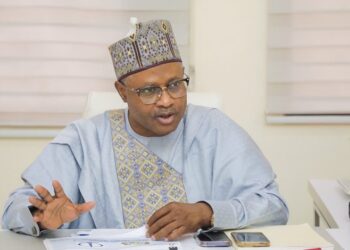
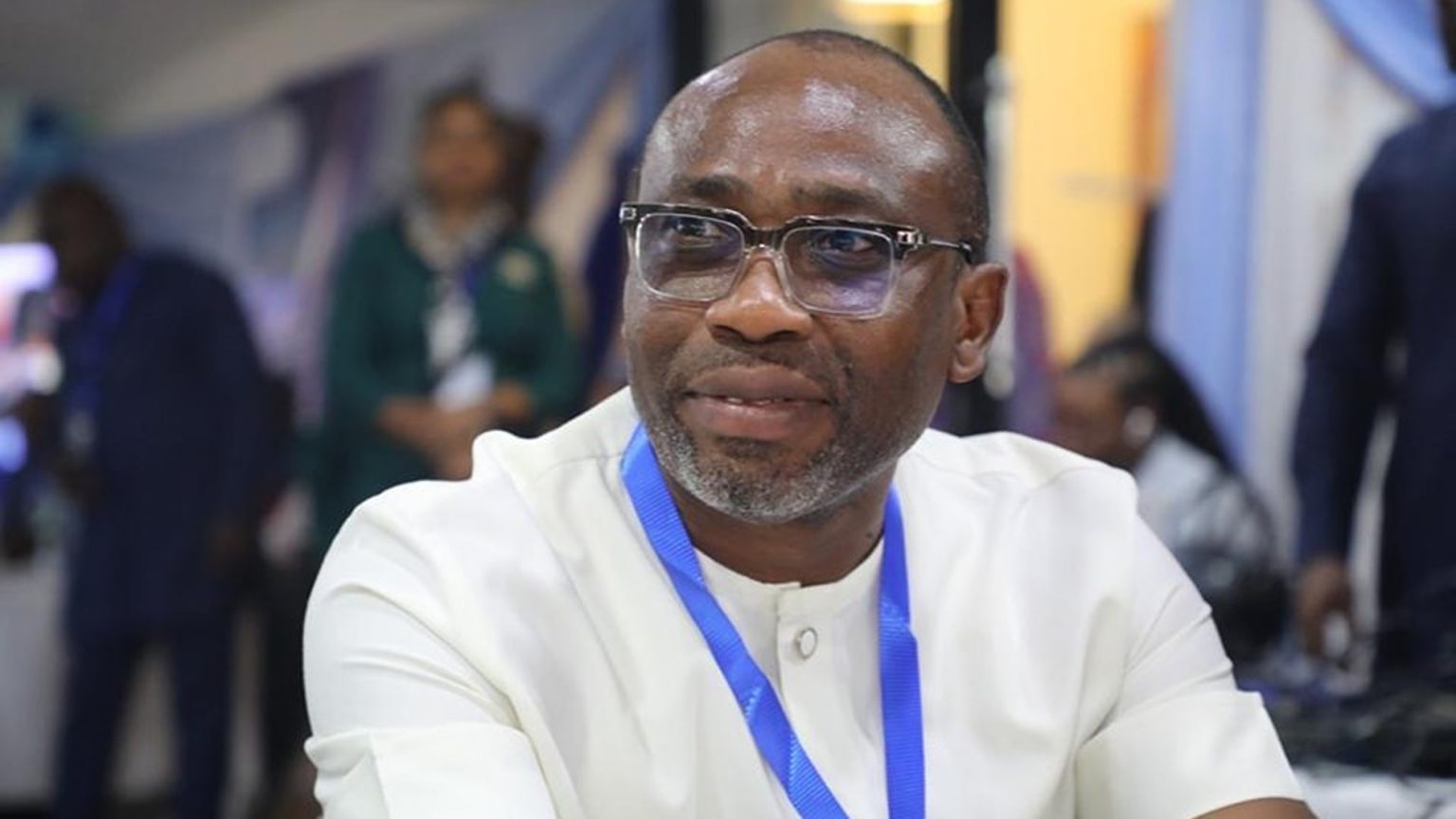
Director-General of the NBC, Charles Ebuebu, acknowledged a “systemic breakdown,” describing the failure as a result of multiple lapses rather than a single cause. Only eight of Nigeria’s 36 states currently have digital signals, while the absence of enforceable carriage fees and reliable audience measurement has weakened advertiser confidence.
“Without verifiable audience data, you have been flying blind,” Ebuebu said.
According to an NBC financial report covering 2009 to 2025, spending on the project exceeded N60 billion, even as Nigeria’s advertising market grew to N605.2 billion, with television remaining under-monetised.
The commission said the new initiative represents a complete rebuild rather than an upgrade.
Under the plan, FreeTV will launch nationwide on May 15, 2026, using hybrid direct-to-home and internet protocol delivery via NigComSat-1R. The service will be free-to-air, requiring no encryption or dedicated set-top boxes, and will be accessible on DVB-T2/S2-compatible televisions and through a mobile app.
The platform is expected to debut with more than 100 channels spanning news, sports, education, entertainment and cultural programming in multiple Nigerian languages, including Hausa, Yoruba and Igbo.
The NBC said it has partnered with Bulgarian firm GARB to deploy an audience measurement system with up to 94% accuracy, using return-path data, app analytics, demographic panels and artificial intelligence.
Broadcasters that meet conditions — including committing channels, producing at least 60% local content and promoting the platform — will not pay carriage fees until January 2029, after which a regulated tiered pricing structure will apply. The strategy, the commission said, is to prioritise audience growth before monetisation.
The plan also includes six regional production hubs in Lagos, Abuja, Port Harcourt, Enugu, Kano and Benin, each expected to generate between 500 and 1,000 jobs within two years.
The NBC set Dec. 31, 2028, as a binding deadline for analogue switch-off, saying previous delays would not be repeated.
Meanwhile, the Association of Licensed Set Top Box Manufacturers of Nigeria accused the commission of undermining due process and stalling the DSO project.
In a statement signed by its chairman, Godfrey Ohuabunwa, the group alleged persistent “abuse of power and processes” by the regulator, warning that continued disregard for industry concerns could erode investor confidence.
The association said concerns raised by the Independent Broadcasters Association of Nigeria reflect broader challenges that have hindered Nigeria’s digital transition since discussions began in 2008.
It also opposed an alleged plan by the NBC to approve the importation of hybrid set-top boxes from China, arguing that the move contradicts the government’s local content policy and threatens domestic investment.
The group cited President Bola Tinubu’s “Nigeria First” policy, saying prioritising imports over locally manufactured products undermines economic goals and discourages indigenous enterprise.
STBMAN further raised legal concerns, referencing a pending court order in Suit No. FCT/HC/GAR/CV/442/2024, and warned that failure to comply with the rule of law could weaken investor trust and the regulatory environment.