Sen. Adams Oshiomhole on Tuesday urged Nigeria to revoke the operating licenses of South African companies, including MTN Group and MultiChoice Group, following renewed xenophobic attacks on Nigerians in South Africa.
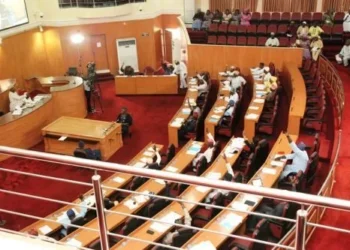
The call came as Nigeria’s National Assembly condemned the latest violence and asked the federal government to take immediate diplomatic steps to protect citizens abroad.
Speaking during plenary, Oshiomhole said Nigeria should respond firmly, citing the principle of reciprocity in international relations.
“If you hit me, I’ll hit you,” he said. “It is an economic struggle.”
Oshiomhole proposed nationalizing MTN’s Nigerian operations and withdrawing its license, arguing the company repatriates significant profits while Nigerians face hostility in South Africa.
“This Senate should adopt a position that MTN … should have Nigeria nationalize it and withdraw its license,” he said.
He also called for revoking the license of MultiChoice, the operator of DSTV, alleging exploitative practices.
Oshiomhole linked the attacks to domestic politics in South Africa, saying anti-immigrant rhetoric has fueled hostility toward foreign nationals, including Nigerians.
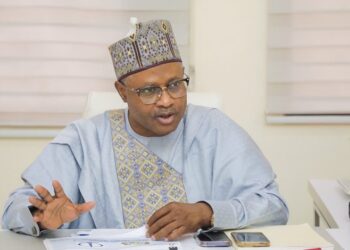
Sen. Victor Umeh described the situation as alarming, saying Nigerians in South Africa are living in fear and unable to move freely.
“It is worrisome. They are hiding for their lives,” he said.
Umeh urged the African Union to intervene and consider sanctions.
“We cannot allow this to continue,” he said.
Sen. Abdul Ningi warned that Nigeria could retaliate if the attacks persist.
“We have alternatives, we have options,” he said, adding that Nigeria could respond against South African interests across the continent.
Senate President Godswill Akpabio condemned the attacks and said lawmakers would send a delegation to engage South Africa’s parliament.
“This is not acceptable,” Akpabio said. “We’re not seeing action from the government of South Africa.”
The motion prompting the debate was sponsored by Sen. Osita Izunaso and presented by Sen. Aniekan Bassey under rules on urgent public importance.
The developments highlight growing pressure on Nigeria’s government to adopt a tougher stance as recurring xenophobic violence continues to strain relations between the two countries.