






A U.S. warplane disabled two Iranian tankers on Friday as Washington moved to enforce a blockade on Iranian ports, amid renewed tensions in the Gulf and ongoing efforts to preserve a fragile ceasefire between the United States and Iran.
U.S. Central Command said an F/A-18 Super Hornet used precision-guided munitions to stop the vessels from continuing toward Iran. Iranian media, meanwhile, reported sporadic clashes between Iranian and U.S. naval forces in the Strait of Hormuz.
The incidents followed overnight exchanges of fire that raised concerns about the stability of the ceasefire reached earlier this year.
Speaking in Rome on Friday, U.S. Secretary of State Marco Rubio said Washington was awaiting Tehran’s response to a proposed agreement aimed at extending the truce and paving the way for broader negotiations.
“We’re expecting a response from them today at some point,” Rubio said. “I hope it’s a serious offer.”
Rubio also said Iran must not control the strategically vital Strait of Hormuz, a key global shipping route where the latest confrontations occurred.
The United States reportedly sent the proposal to Iran through Pakistani mediators in an effort to extend the ceasefire and facilitate talks to end the conflict that began 10 weeks ago following U.S.-Israeli strikes on Tehran.
Iranian Foreign Ministry spokesman Esmaeil Baqaei said the proposal remained under review and that a decision would be announced once finalized, according to Iran’s ISNA news agency.
Saudi sources also told AFP that Saudi Arabia declined requests to allow U.S. forces to use its airspace or military bases for operations intended to reopen commercial shipping lanes in the Strait of Hormuz.
U.S. Central Command said Iran had launched missiles, drones and small boats at three American warships transiting the strait overnight, though none of the vessels were hit. U.S. forces said they intercepted the threats and retaliated against Iranian military positions.
Iran’s Khatam al-Anbiya military command disputed the U.S. account, saying the confrontation began after American forces targeted an Iranian tanker near the strait. Iranian authorities accused the U.S. of striking civilian areas in Bandar Khamir, Sirik and Qeshm Island.
Baqaei described the U.S. actions as a violation of international law and the ceasefire but claimed Iranian forces had delivered a “major slap” to their adversary.
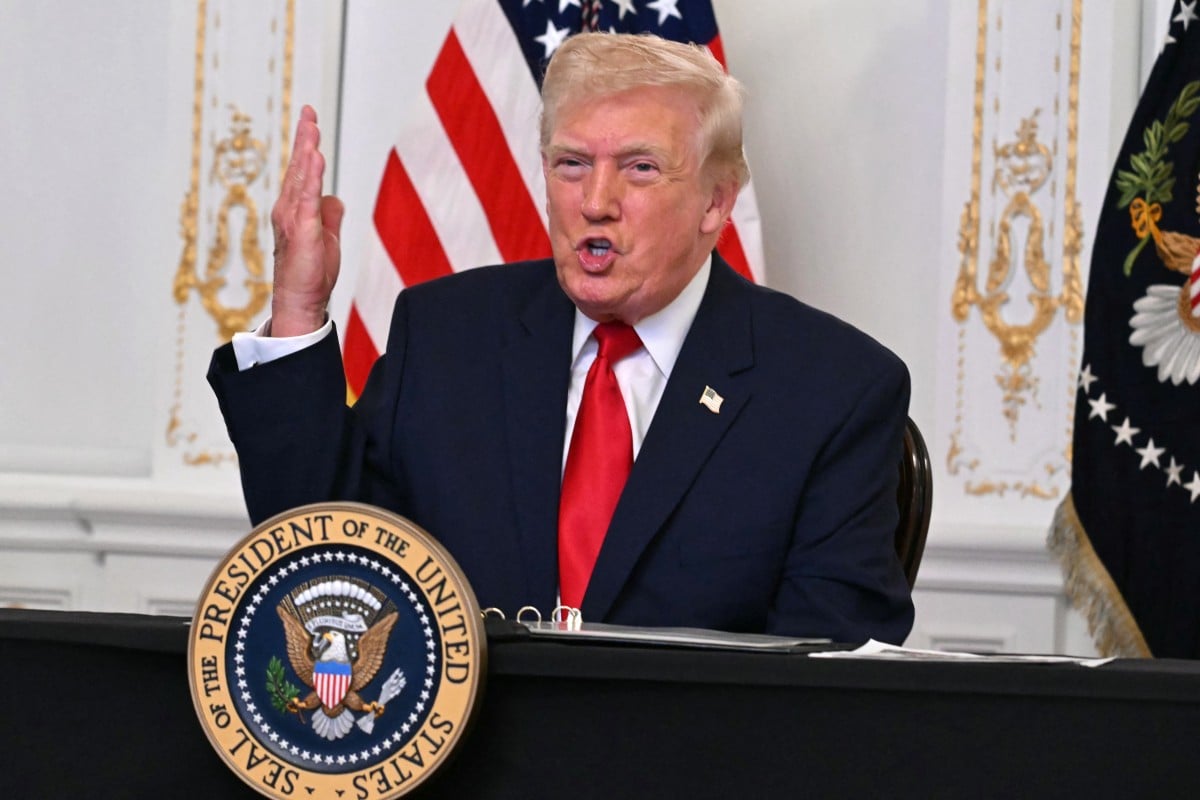
Asked whether the ceasefire remained in effect, U.S. President Donald Trump told reporters on Thursday: “Yeah, it is. They trifled with us today. We blew them away.”
The United Arab Emirates said its air defense systems intercepted two ballistic missiles and three drones launched from Iran, resulting in three moderate injuries.
Since the conflict began on Feb. 28, Iran has largely restricted access through the Strait of Hormuz, while the U.S. later imposed its own blockade on Iranian ports.
Trump earlier announced “Project Freedom,” a naval initiative intended to reopen the waterway to commercial shipping, but later shifted focus back to diplomatic negotiations.
According to shipping journal Lloyd’s List, Iran this week established a new authority to regulate transit through the Strait of Hormuz and collect tolls from passing vessels.
The United Nations’ International Maritime Organization said about 1,500 ships and 20,000 crew members remain stranded in the Gulf region because of the conflict.
U.S. Central Command said its forces are currently preventing about 70 tankers from entering or leaving Iranian ports.
Global markets, which had rallied earlier in the week on hopes of an extended ceasefire, fell again Friday as the latest violence heightened fears of renewed disruptions to one of the world’s most important maritime trade routes.








