






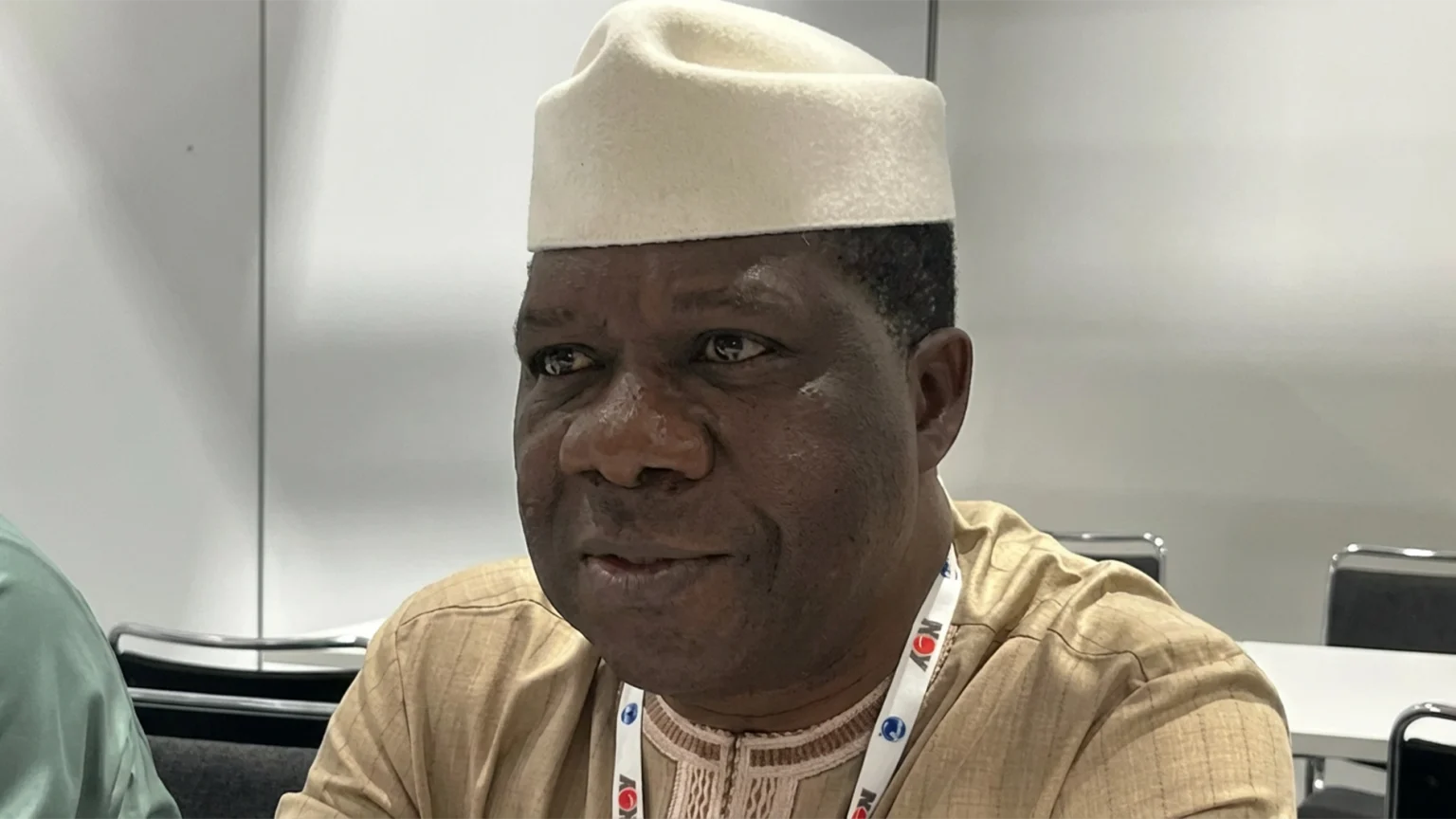
Senate Majority Leader Opeyemi Bamidele has defended the National Assembly’s approach to security oversight, saying lawmakers remain committed to accountability while avoiding actions that could undermine ongoing military operations against terrorists and criminal groups.
In an interview with journalists, Bamidele said the Senate rejected calls for a public probe of military spending because such an investigation could compromise national security efforts.
He acknowledged that insecurity remains Nigeria’s most pressing challenge, citing terrorism, banditry, kidnapping, farmer-herder clashes and oil theft across different regions of the country.
According to him, the Armed Forces have made significant gains against Boko Haram by reclaiming territories once controlled by insurgents. He said security threats have evolved into guerrilla-style attacks and decentralized criminal operations, creating a more complex environment.
Bamidele said the National Assembly continues to exercise oversight through its committees on defence and the armed forces, while maintaining confidentiality on sensitive security matters.
Responding to claims that the 10th National Assembly operates as a rubber stamp for the executive, Bamidele rejected the characterization, describing the relationship between the legislature and the executive as one of constructive engagement.
He said many disagreements are resolved through consultations before reaching the Senate floor, adding that collaboration does not amount to surrendering legislative independence.
On the push for state police, Bamidele said there is growing national consensus on the need for a decentralized policing structure. He disclosed that constitutional amendments establishing state police are being fast-tracked and will soon be transmitted to state legislatures for approval.
He said the proposal enjoys support from President Bola Tinubu, governors and other stakeholders, stressing that state police would enhance local intelligence gathering and community policing.
Addressing the rising wave of kidnappings, Bamidele said the Senate is working on amendments to the Terrorism (Prevention and Prohibition) Act to impose tougher penalties on kidnappers and their collaborators, including financiers and informants.
He described kidnapping as a major threat to public safety, education, agriculture, investment and economic activities, noting that stronger laws are necessary to support security agencies.
On farmer-herder conflicts, Bamidele said the creation of the Federal Ministry of Livestock Development is a major step toward promoting ranching and modern livestock practices. He emphasized the need for consultations that protect farmers while providing herders with sustainable alternatives to open grazing.
The Senate leader also highlighted measures aimed at cushioning the effects of economic reforms, including the Nigerian Education Loan Fund and tax relief policies for low-income earners and small businesses.
According to him, the reforms are intended to support vulnerable Nigerians while creating a more competitive economy capable of attracting investment and generating jobs.
Reflecting on Democracy Day, Bamidele said Nigeria has made progress since the return to democratic rule but still needs stronger institutions, greater accountability and continued electoral reforms.
He argued that democracy extends beyond elections and requires respect for the rule of law and effective governance institutions.
Bamidele also defended the pace of Senate investigations, saying many inquiries focus on correcting deficiencies and improving compliance rather than producing dramatic public confrontations.
On possible amendments to the Electoral Act, he said any review should take place after the electoral cycle to avoid creating suspicion or undermining public confidence in the electoral process.
Responding to criticisms of lawmakers’ allowances and vehicle allocations, Bamidele called for greater transparency, noting that salaries and allowances are determined by the Revenue Mobilisation, Allocation and Fiscal Commission rather than lawmakers themselves.
He said official vehicles provided to legislators are meant to support constituency and oversight responsibilities, not serve as personal assets.
Bamidele identified security as the defining challenge facing the country, stressing that economic growth, investment, food security and national unity depend on restoring peace and stability.
He said the National Assembly will continue to prioritize state police, anti-kidnapping legislation, counterterrorism measures and oversight of security institutions in pursuit of a safer Nigeria.








