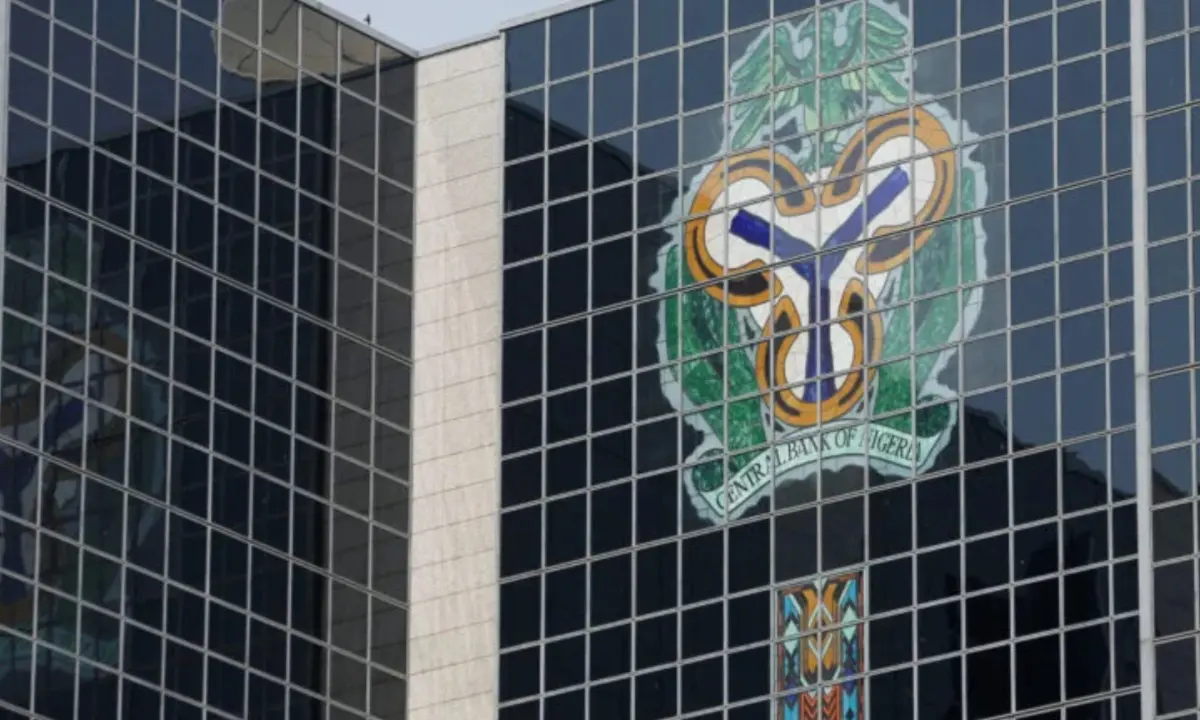
Banks in Nigeria have recorded a notable rise in non‑performing loans after the Central Bank of Nigeria (CBN) withdrew regulatory forbearance measures earlier this year. The easing policy, which allowed lenders more time to classify impaired loans as non‑performing, ended as the CBN shifted focus toward strengthening the financial sector and encouraging prudent credit management.
According to data from the Nigeria Inter‑Bank Settlement System and industry analysts, the non‑performing loan (NPL) ratio climbed significantly in the third quarter of 2025. The spike followed the CBN’s decision to enforce stricter loan classifications and reserve requirements, forcing banks to recognise stressed credits previously shielded under forbearance.
Analysts say the withdrawal exposed credit portfolios weakened by economic challenges such as rising inflation, forex volatility, and slower business recovery in key sectors. Many corporate borrowers, especially small and medium enterprises, struggled to meet repayment obligations amid high operating costs.
Speaking on the trend, a banking sector expert said the rise in bad loans reflects the broader struggle within the economy. Banks are now required to hold more capital against impaired credits, which could constrain lending in the short term and slow credit flows to businesses.
The CBN has defended its move, saying transparency in bank balance sheets is crucial for long‑term stability. It has urged lenders to tighten risk assessments and improve recovery strategies to prevent future credit distress.
Meanwhile, banking associations have called on policymakers to support economic growth through targeted interventions that help borrowers stay afloat. They argue that sustainable lending solutions will benefit the entire financial system as the sector adjusts to the new regulatory environment.