Nigeria’s persistent power crisis continued through Christmas, with generation hovering around 3,000 megawatts. Data from the Nigeria Electricity System Operator showed that output fell short of the over 5,000MW target, forcing many homes and businesses to rely on generators during the festive period.
Industry experts blamed the poor output on recurring issues in gas supply, weak transmission infrastructure, and inadequate investment in generation. On Christmas Day, generation peaked at about 3,200MW, far below the nation’s demand of over 19,000MW. Distribution companies reportedly received less load than required, leaving consumers in several states in darkness.
In Lagos, Abuja, and parts of the South-East, residents complained of long hours without power. Some reported outages lasting over 48 hours despite no prior notice from distribution companies. “We didn’t have power on Christmas Eve or Christmas Day. It ruined our plans,” said Ifeanyi Obiora, a resident of Enugu.
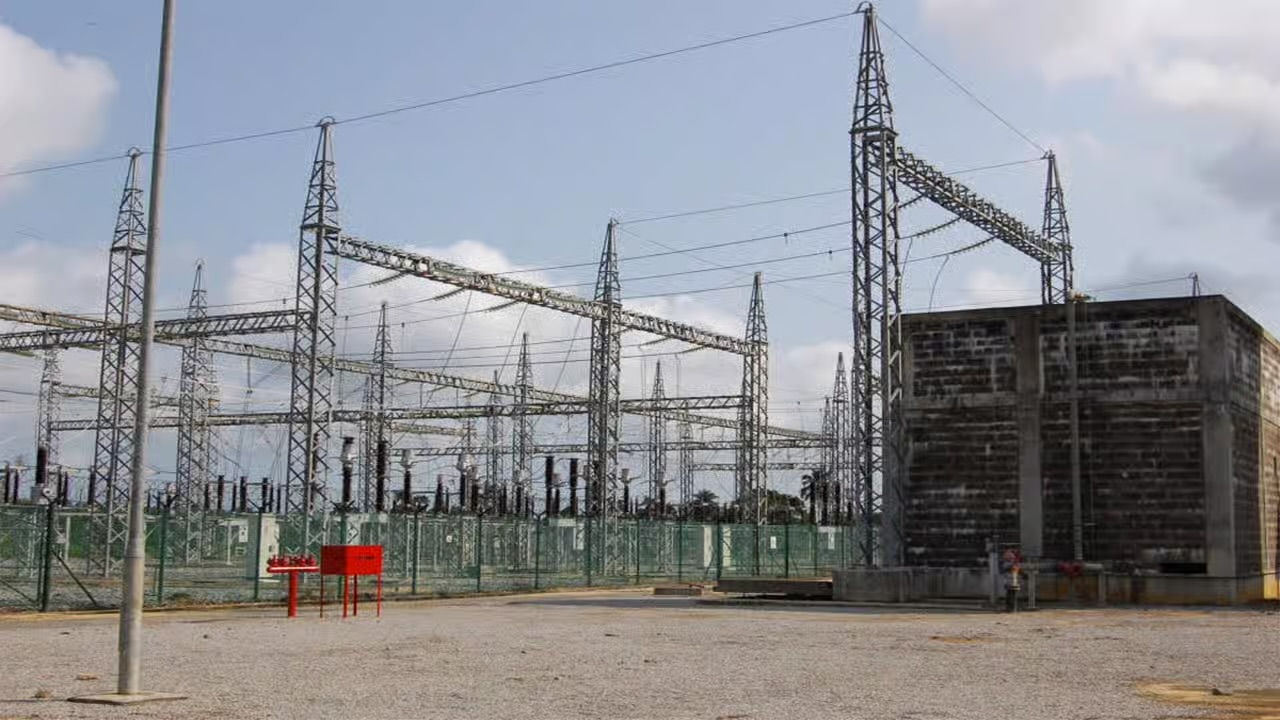
The Transmission Company of Nigeria (TCN) attributed the shortfall to multiple gas constraints across major power plants, including Egbin, Sapele, and Geregu. TCN spokesperson, Ndidi Mbah, said efforts were ongoing to resolve the issues and restore optimal supply.
Meanwhile, manufacturers expressed frustration over the situation. The Manufacturers Association of Nigeria said unreliable power continues to drive up production costs and discourage investment. They urged the government to speed up reforms in the sector.
Despite multiple interventions and unbundling of the power sector, Nigeria still struggles to meet basic electricity needs. Analysts warn that without urgent infrastructure upgrades, the crisis may worsen in 2026.