The Federal Government has called for a sweeping transformation of Nigeria’s polytechnic education system to drive job creation, innovation and sustainable national development, the education minister said Wednesday.
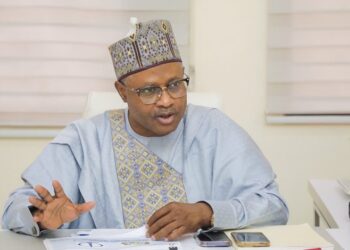
Minister of Education Maruf Alausa made the call at a retreat organised by the Conference of heads of polytechnics, Colleges of Education and Allied institutions for council chairmen, commissioners of education, rectors, registrars and bursars in Abuja.
Speaking on the theme, Transforming Polytechnic Education in Nigeria: Innovation, Good Governance and Sustainability for National Development, Alausa described polytechnics as engines of practical innovation and economic resilience.
“Polytechnics are not mere institutions; they are the crucibles where innovation meets practicality, where skills forge economic resilience, and where sustainable development becomes a lived reality for our nation,” he said.
The minister said the Federal Ministry of Education is prioritising the revitalisation of Technical and Vocational Education and Training to ensure graduates are equipped with practical, industry-ready skills.
“We have adopted a policy that ensures our polytechnic graduates are industry-ready, innovative problem-solvers capable of driving national development,” he said.
Alausa urged polytechnic leaders to place entrepreneurship and research at the centre of their strategies, calling for the establishment of entrepreneurship centres, research hubs and stronger industry partnerships.
“Innovation must be the heartbeat of our polytechnics,” he said, adding that such efforts would help turn ideas into enterprises and graduates into job creators.
He identified priority sectors for innovation to include renewable energy, agricultural technology, digital manufacturing and climate-resilient solutions.
On governance, the minister called for transparency, accountability and ethical leadership, warning against conflicts of interest and poor financial management.
“The era of impunity in our institutions is over,” he said, urging fiscal discipline, timely audits and zero tolerance for corruption to build public trust and attract investment.
Alausa also emphasised the need for sustainable funding models through increased internally generated revenue and reduced dependence on imports. While acknowledging challenges such as funding gaps, outdated facilities and societal bias in favour of university degrees over technical skills, he expressed confidence in continued government support for reforms.