The Nigeria Centre For Disease Control and Prevention has placed 10 states on high alert following forecasts of heavy rainfall and flooding, warning of an increased risk of disease outbreaks, particularly cholera.
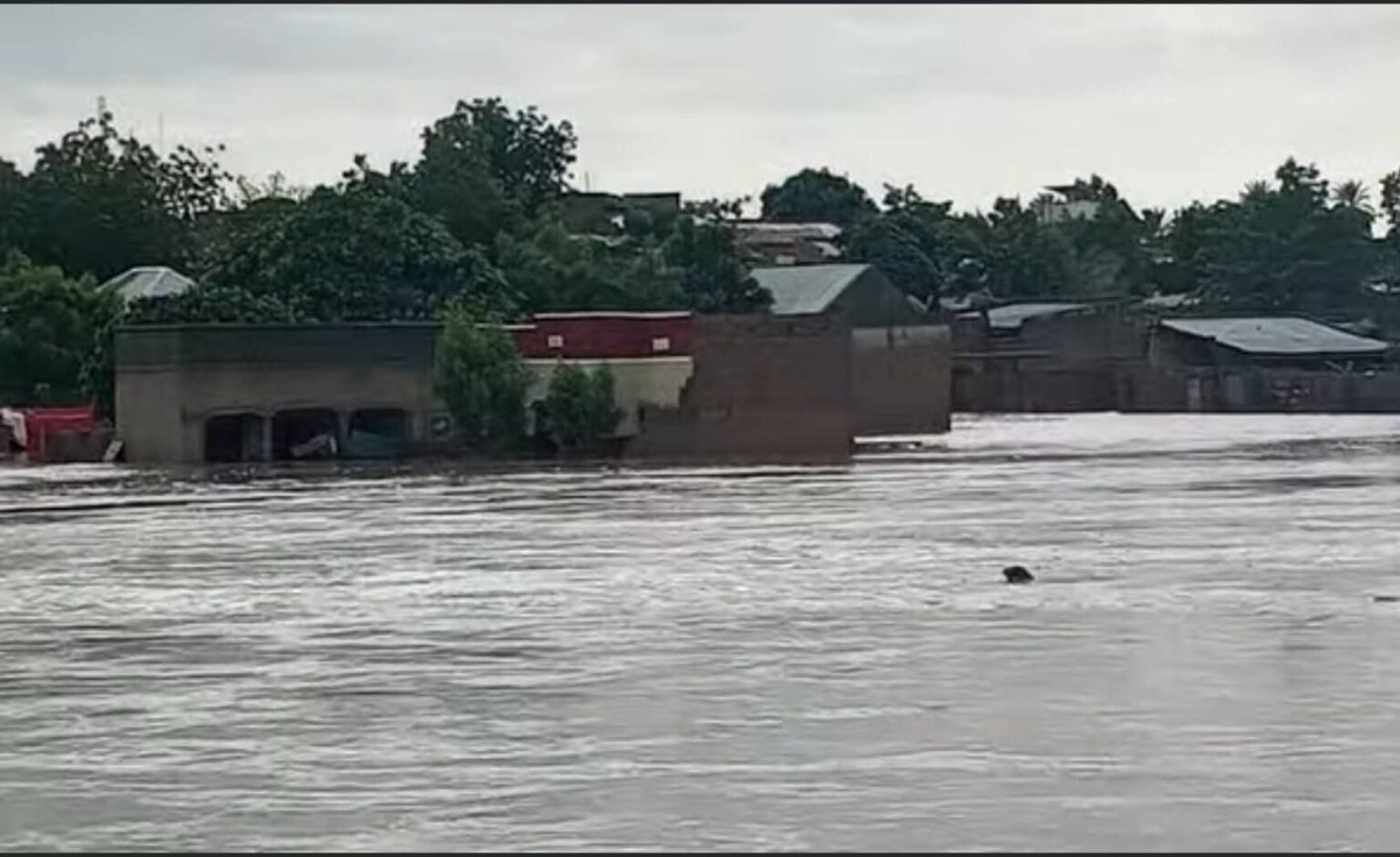
In a statement Wednesday, Director-General Jide Idris said projections by the Federal Ministry of Environment and the Nigerian Meteorological Agency indicate that parts of Adamawa, Enugu, Kaduna, Kogi, Niger, Osun, Oyo, Plateau, Taraba and Kwara states will experience intense rainfall between April 13 and 17, 2026.
Idris said the warning comes as Nigeria enters the seasonal period when cholera cases typically surge, with early surveillance data already showing rising infections in several states.
“These forecasts are particularly concerning because they coincide with the period when cholera transmission typically accelerates,” he said. “Flooding can contaminate water sources and disrupt sanitation systems, creating conditions for rapid spread.”
The Federal Government said 14,118 communities nationwide face a high risk of flooding, underscoring the scale of the threat.
Data from previous outbreaks show that flood-prone states often record spikes in cholera cases during the rainy season, especially in areas with limited access to clean water and poor waste management. Thousands of suspected cases are reported annually during peak periods, with deaths often linked to delayed treatment and weak health systems.
Idris warned that, beyond cholera, affected states face heightened risks of other diarrhoeal diseases and mosquito-borne infections such as malaria.
“Floodwaters not only increase exposure to pathogens but also create breeding sites for mosquitoes,” he said.
He added that residents may also face injuries, including drowning and snakebites, as well as disruptions to healthcare access, particularly in rural communities.
Despite the risks, Idris said the situation can be mitigated through early action and compliance with preventive measures, urging residents to use safe water, maintain hygiene, avoid contact with floodwaters and seek prompt medical care if symptoms develop.
He also called on community leaders and local authorities to intensify environmental sanitation efforts, including clearing blocked drainage systems and promoting hygiene awareness.
“Community-level action is critical,” he said. “Early reporting of suspected cases and dissemination of accurate health information will go a long way in preventing outbreaks.”
Idris said the NCDC is working with state ministries of health to strengthen surveillance systems and improve readiness and rapid response in high-risk areas. State governments have also been advised to activate emergency frameworks, particularly in water, sanitation and hygiene services.
Unveiling the 2026 Annual Flood Outlook in Abuja on Wednesday, Environment Minister Balarabe Lawal described the report as a key step toward strengthening the country’s resilience to flooding and climate-related disasters.
He said flooding remains a major national challenge and noted that the government has rolled out flood control projects in high-risk states, including Adamawa, Benue, Kogi, Bayelsa, Rivers and Delta.
The Minister of Water Resources and Sanitation, Joseph Utsev, said 14,118 communities in 266 local government areas across 33 states and the Federal Capital Territory have been identified as high flood-risk zones for 2026.
He added that 15,597 communities in 405 local government areas across 35 states fall within moderate risk zones, while 923 communities in 77 local government areas across 24 states are expected to experience minimal flooding.
Utsev said the outlook reflects a shift toward proactive disaster management and improved early warning systems, developed in collaboration with relevant agencies.
The Director-General of the Nigeria Hydrological Services Agency, Umar Mohammed, described the outlook as a critical tool for managing flood risks and enhancing climate resilience. He said the 2026 report includes innovations such as artificial intelligence-driven modeling, a flood risk intelligence system and a real-time dashboard with a mobile application for public alerts.
Nigeria experiences seasonal flooding each year, often triggered by heavy rainfall, poor drainage infrastructure and the overflow of major rivers, including the Niger and Benue. In recent years, floods have displaced thousands of people, destroyed farmland and worsened food insecurity.
Health authorities say vigilance, early intervention and community cooperation will be critical in preventing avoidable illnesses and deaths as the rainy season approaches.