Nigeria’s persistent nationwide power outages are largely due to inadequate gas supply to thermal power plants, the country’s system operator said Friday, warning that electricity generation remains significantly below capacity.
In a statement, the Nigerian Independent System Operator said average available generation is about 4,300 megawatts, far below installed capacity, as fuel constraints continue to limit output across the national grid.
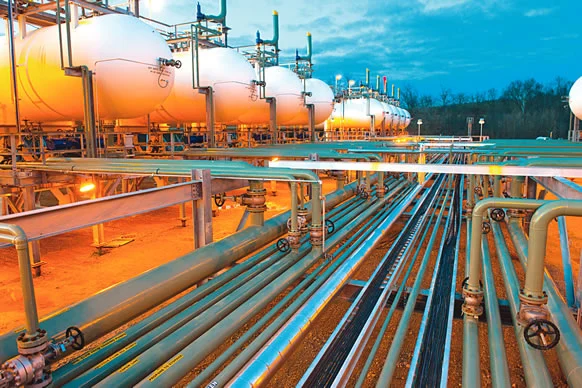
The outages began in early February following scheduled maintenance on key gas infrastructure by Nigerian National Petroleum Company Limited and Seplat Energy, which disrupted gas supply to several thermal plants and triggered a sharp drop in electricity production.
The situation has persisted due to ongoing gas supply limitations, the operator said.
“We hereby notify the general public and all market participants that the current average available generation of approximately 4,300MW is primarily due to inadequate gas supply to thermal generating stations,” the statement said.
Thermal plants account for the majority of Nigeria’s electricity generation, meaning any disruption in gas availability directly reduces output and supply to distribution companies.
The operator said thermal plants require about 1,629.75 million standard cubic feet of gas per day to operate optimally, but as of Feb. 23, only about 692 million cubic feet per day was being supplied — less than 43% of required volume.
The shortfall has significantly constrained generation and reduced electricity available for homes and businesses.
With supply falling short of demand, the operator said it has implemented load shedding to stabilize the grid.
“When total system generation drops significantly, the Independent System Operator must implement load shedding … to maintain grid stability and prevent system disturbances,” the statement said.
The agency expressed regret over the impact on consumers and said it is working with stakeholders to improve supply.
Nigeria’s power sector relies heavily on gas-fired thermal plants, which generate more than 70% of grid electricity, with hydropower providing the rest. This dependence makes the system vulnerable to disruptions from maintenance, pipeline vandalism, pricing disputes and payment challenges.
The sector also faces liquidity constraints, with generating companies warning that poor remittances from distribution firms limit their ability to pay gas suppliers.
Despite reforms that separated grid operations from the Transmission Company of Nigeria, electricity generation remains closely tied to fuel availability.
With national peak demand estimated above 20,000 megawatts, the current output highlights a significant supply gap.
The operator said sustained improvement in electricity supply will depend on stable gas deliveries and broader sector reforms. Until then, consumers are likely to continue experiencing outages and rationing.