






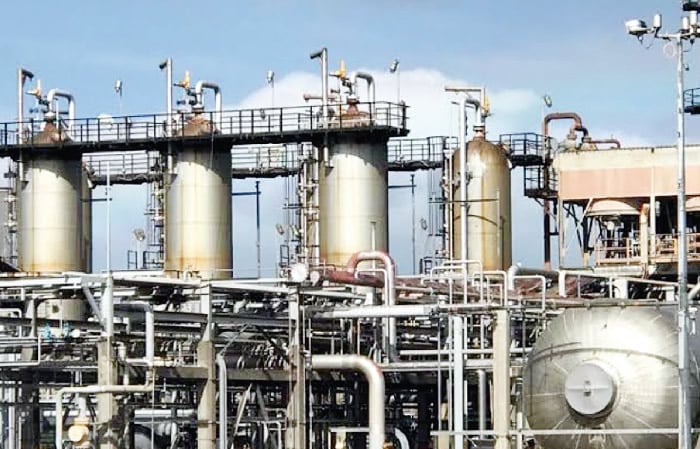
Seven power plants across Nigeria are expected to face gas supply constraints as Seplat energy plcshuts down a major facility for scheduled maintenance, raising concerns about possible electricity shortfalls, the Nigerian Independent System Operator said Thursday.
In a notice to market participants and consumers, the system operator said maintenance scheduled for Feb. 12-15 will temporarily reduce gas supply to several thermal power plants. Full supply is expected to resume Feb. 16.
The operator said critical national infrastructure and essential services would be prioritized if load management becomes necessary.
Power stations expected to be directly affected include Egbin, Azura, Sapele and Transcorp. Indirect constraints may also affect NDPHC Sapele, Olorunsogo and Omotosho due to network-wide gas balancing effects.
The maintenance will affect gas supply into the pipeline network operated by NNPC Gas Infrastructure Company Limited, reducing thermal generation capacity on the national grid.
In a separate statement, the system operator and Nigerian National Petroleum Company Limited confirmed gas availability to seven grid-connected power plants will be curtailed during the four-day exercise.
Earlier assessments by the system operator estimate the maintenance could result in a generation shortfall of about 934.96 megawatts — roughly 19.67% of the combined available thermal and hydro capacity of 4,753.10 megawatts on the grid.
“The Nigerian Independent System Operator hereby informs the general public and all electricity market participants of anticipated gas supply constraints affecting some major thermal power generating stations connected to the national grid,” the notice said.
The operator said it will deploy real-time measures to safeguard grid stability during the maintenance window and coordinate with distribution companies to implement any necessary load shedding in a structured and equitable manner.
Nigeria’s grid relies heavily on gas-fired plants, which account for more than 70% of installed capacity. Despite having Africa’s largest gas reserves, the country frequently faces supply bottlenecks due to infrastructure challenges, pipeline vandalism and payment shortfalls.
Industry data show that although installed generation capacity exceeds 13,000 megawatts, actual output often ranges between 4,000 and 5,000 megawatts because of gas shortages, transmission constraints and plant outages.
Among the largest facilities, Egbin has an installed capacity of 1,320 megawatts. Azura-Edo contributes 461 megawatts, while Transcorp’s Ughelli plant has more than 900 megawatts installed capacity.
In a related statement titled “Notice of Scheduled Maintenance on Major Gas Plant and Facilities,” NNPC confirmed routine maintenance on its gas production facilities during the same period.
Seplat, a joint venture partner of NNPC and a key supplier into the pipeline network, said the maintenance is part of standard safety and asset integrity protocols to ensure reliability and minimize the risk of unplanned outages.
The company acknowledged the temporary reduction in gas supply could modestly affect electricity generation during the maintenance period.
NNPC and Seplat said they are working to complete the exercise on schedule. NNPC Gas Marketing Limited is engaging alternative suppliers to mitigate anticipated supply gaps.
Adetayo Adegbemle, executive director of PowerUp Nigeria, criticized the handling of the maintenance, saying it reflects poor long-term planning in the power sector.
“This announcement shows our inability to plan ahead,” he said, arguing that investment in gas storage facilities and strategic reserves could help shield consumers from routine disruptions.
For many Nigerians, the expected supply constraints may mean increased reliance on generators and higher fuel costs during the four-day maintenance period.
The development underscores the continued link between Nigeria’s electricity stability and the reliability of its gas supply chain as reforms under the Electricity Act seek to attract new investment into generation and infrastructure.








