






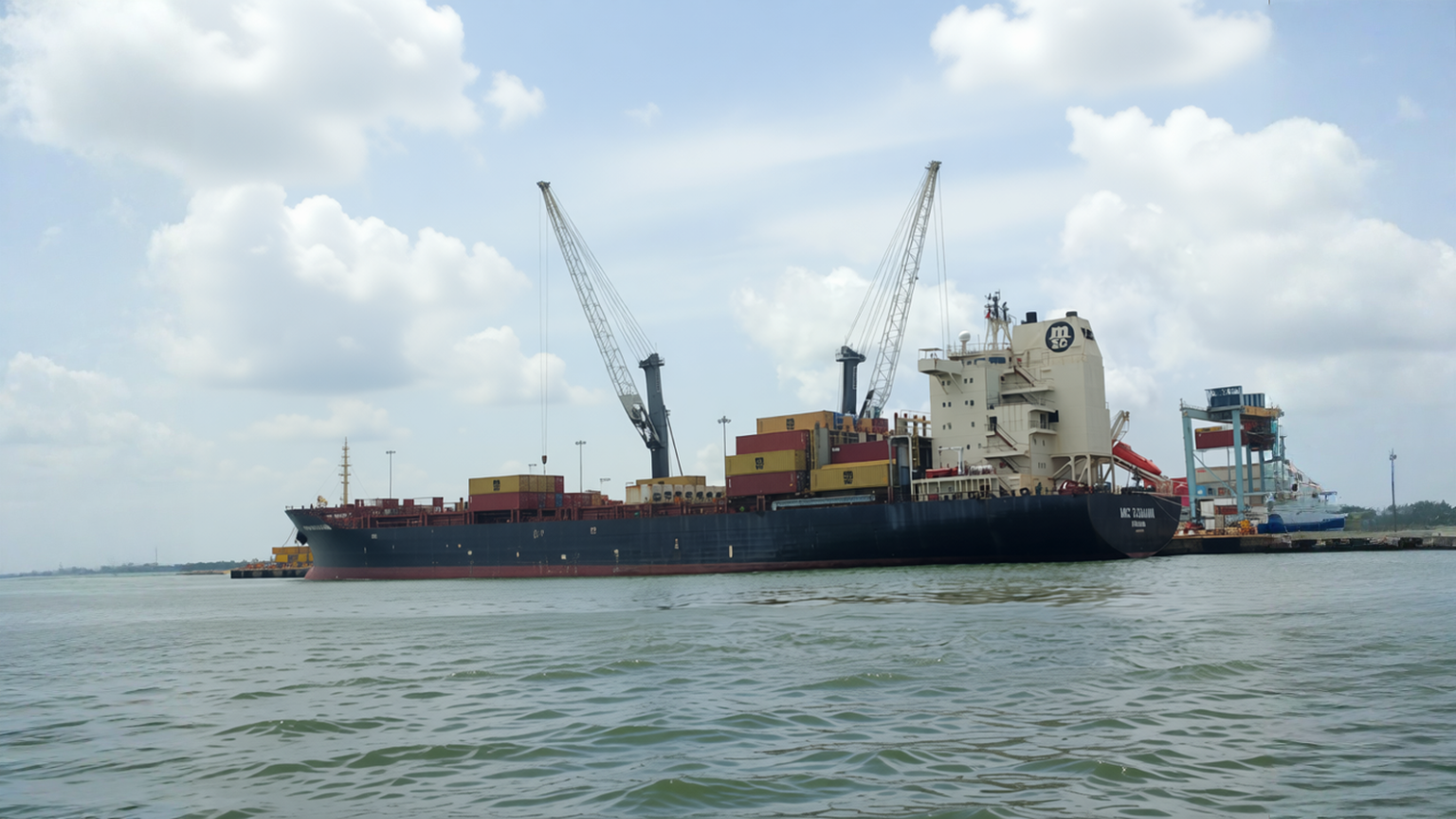
Iran says it will not allow “a single litre of oil” to pass through the Strait of Hormuz for the benefit of the United States, Israel and their allies, warning that global oil prices could surge to $200 per barrel.
Ebrahim Zolfaqari, spokesperson for Iran’s Khatam al-Anbiya Central Headquarters, made the declaration Wednesday amid escalating tensions in the Middle East.
“Let us firmly reiterate that we will never allow even a single litre of oil to pass through the Strait of Hormuz for the benefit of the U.S., the Zionists and their partners,” Zolfaqari said.
“Any vessel or oil shipment intended for America, the Zionist regime or their hostile allies will be a legitimate target for us.”
He warned that expanding conflict in the region could drive oil prices sharply higher.
“With the expansion of war in the region, you should prepare for $200 per barrel because the price of oil depends on security in the region, and you are the source of insecurity,” he said.
The statement came a day after U.S. President Donald Trump threatened severe retaliation if Iran disrupted oil shipments through the strategic waterway.
“Death, fire and fury will rain upon them if they stop the flow of oil,” Trump said.
Meanwhile, Nigeria’s African Democratic Congress has called on the federal government to introduce a temporary cap on petrol prices to cushion the impact of rising global oil prices on citizens.
In a statement by its National Publicity Secretary, Bolaji Abdullahi, the party said volatility in global oil markets linked to the Middle East crisis was contributing to fuel price increases but warned that Nigerians should not bear the full burden.
The party urged the government to introduce targeted palliatives for low-income households and criticised plans to distribute 100,000 compressed natural gas conversion kits, saying the number represents less than 1% of Nigeria’s more than 11 million vehicles.
ADC also questioned the limited number of compressed natural gas refuelling stations nationwide.
To stabilise the global market, the International Energy Agency said its member countries would release 400 million barrels of oil from emergency reserves — the largest coordinated stock release in the agency’s history.
IEA Executive Director Fatih Birol said the measure is intended to ease supply disruptions caused by the escalating crisis.
“IEA countries have unanimously decided to launch the largest-ever release of emergency oil stocks in our agency’s history,” Birol told reporters. “IEA countries will be making 400 million barrels of oil available. This is a major action aiming to alleviate the immediate impacts of the disruption in markets.”
The 32-member agency said the oil would be released over time based on each country’s national circumstances and could be supplemented with additional emergency measures.
The IEA said the resumption of normal transit through the Strait of Hormuz remains the most critical factor for restoring stability in global oil and gas supplies.
The planned release surpasses the 182 million barrels coordinated by the agency in 2022 following Russia’s invasion of Ukraine.








