The relative peace in Nigeria’s public universities may soon be disrupted if the Federal Government fails to implement its renegotiated agreement with the Academic Staff Union of Universities by the end of March.
The government has also criticised heads of tertiary institutions, accusing them of running universities like personal empires.
Investigations indicate growing tension in federal universities, as the implementation of the agreement has yet to begin two months after it was signed and publicly presented.
The deal, meant to resolve the 16-year dispute over the 2009 agreement between the government and the union, was scheduled to take effect on Jan. 1, 2026. It includes a 40% salary increase for lecturers, improved pension benefits and revamped duty-based Earned Academic Allowances aimed at stabilising universities and reducing strikes.
However, full implementation has stalled. While some universities have implemented parts of the agreement, the Federal Government says delays are tied to the pending 2026 budget before the National Assembly of Nigeria.
The delay has also left state universities uncertain, as many state governments are waiting for the Federal Government to begin full implementation before adopting the new salary structure and benefits. The situation has raised concerns among lecturers in state-owned institutions who fear further delays.
At the University of Lagos, the local chapter of the union has directed members to begin an indefinite strike over what it described as “amputated” salaries paid in January and February 2026.
Lecturers at the University of Abuja, University of Calabar, Federal University of Petroleum Resources Effurun, Federal University Otuoke, Federal University of Lafia, Nigerian Maritime University, Federal University of Technology Minna and several other institutions are also yet to receive the 40% salary increase.
ASUU President Chris Piwuna said the union would meet to determine its next action if the budget is not passed by the end of March.
“One of the reasons why the challenges keep rearing their heads in different branches is because of the budget. The budget has not been passed,” he said, adding that some vice-chancellors had sourced internal funds to pay parts of the salaries.
Meanwhile, the Federal Government has urged academic unions to closely monitor the activities of university administrators.
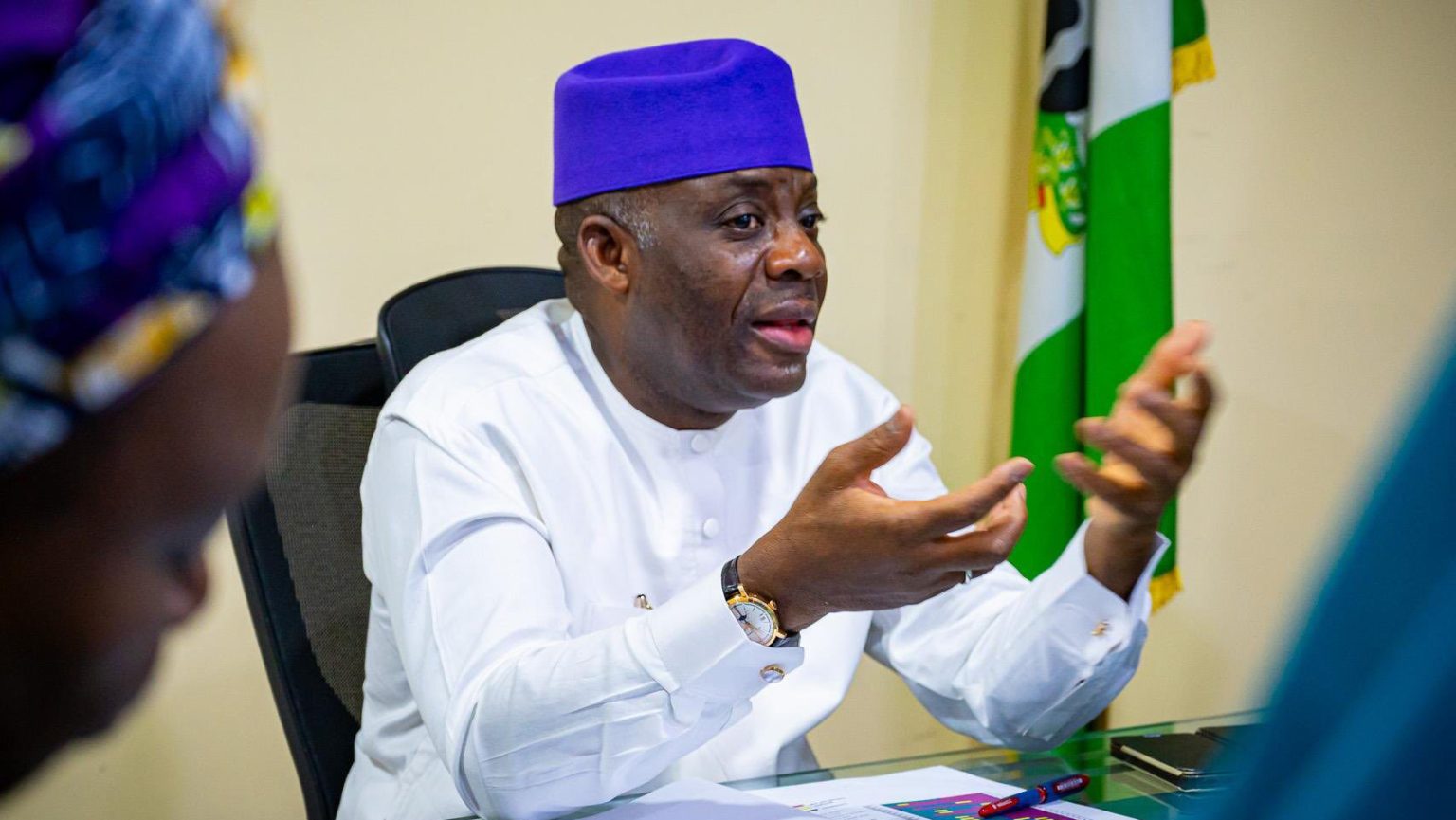
Speaking in Abuja at the public presentation of textbooks sponsored by the Tertiary Education Trust Fund, Minister of Education Tunji Alausa called on unions to demand accountability from institutional leaders.
“The government is really not the problem,” Alausa said. “You need to help us direct those searchlights to the heads of your institutions — the vice-chancellors, rectors and provosts. Many of them are running those institutions like an empire.”
He added that funds released to institutions must be properly managed and that the government would work with unions to ensure accountability.
Piwuna said the union would intensify scrutiny of vice-chancellors’ activities across Nigerian universities.
According to data from the National Universities Commission, Nigeria has 309 universities, comprising 74 federal, 67 state and 168 private institutions.