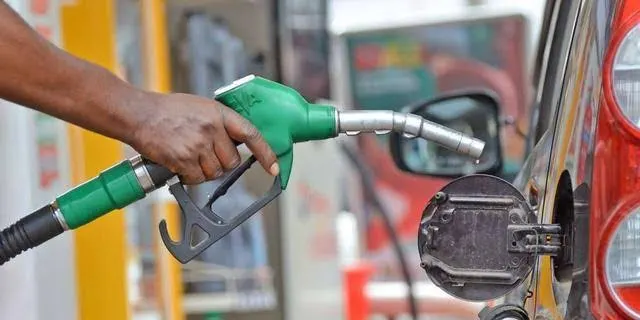
Petrol prices climbed to about 1,300 naira per litre in several parts of Nigeria on Monday, prompting warnings from business leaders and economists that the increase could drive up inflation and raise operating costs for companies.
The latest surge followed a price adjustment by the Dangote Petroleum Refinery, which increased its gantry price for Premium Motor Spirit, or petrol, to 1,175 naira per litre from 995 naira announced days earlier.
The increase, the third within a week, comes amid volatility in global oil markets linked to tensions involving the United States, Israel and Iran.
Retail pump prices quickly rose across the country, with some filling stations selling petrol between 1,250 naira and 1,400 naira per litre.
Members of Nigeria’s Organised Private Sector warned that higher petrol prices would likely increase transportation and food costs, adding pressure on businesses and consumers.
“We are already seeing increases in fuel pump prices, and this is likely to impact transport and food prices as it relates to food distribution logistics,” said Chinyere Almona, director-general of the Lagos Chamber of Commerce and Industry.
Almona said the ongoing crisis in the Middle East could further disrupt global freight logistics, increasing the cost of imported goods and potentially reversing recent progress in moderating inflation.
The refinery defended the price increase, citing rising crude oil prices and higher global shipping costs.
In a statement, the refinery’s managing director, David Bird, said global oil markets had become extremely volatile, with crude prices rising from the mid-$60 range to nearly $120 per barrel within a week.
“The refinery is fully exposed to international commodity markets, including crude oil prices, freight rates, insurance and financing costs,” Bird said, adding that tanker shipping costs had surged from about $800,000 to roughly $3.5 million per shipment.
The refinery operates at a capacity of about 650,000 barrels per day, with the potential to increase production to around 700,000 barrels daily, he said.
The Independent Petroleum Marketers Association of Nigeria said the price surge could be temporary and may ease once global crude prices decline.
“The price of fuel would come down once Brent crude comes down after the war,” said the association’s spokesman, Chinedu Ukadike.
Business groups warned that rising fuel costs would ripple through the economy.
Adewale Oyerinde, director-general of the Nigeria Employers’ Consultative Association, said higher energy prices typically increase logistics and production costs.
“As businesses contend with escalating operational expenses, these costs are often transferred to consumers through higher prices of goods and services,” he said.
Similarly, Femi Egbesola, president of the Association of Small Business Owners of Nigeria, said energy prices are a major driver of inflation.
“Whenever there is a hike in fuel price, naturally it will push up inflation, and prices of food and commodities will go up,” he said.
The Nigeria Labour Congress also criticized the recurring petrol price increases, arguing that they highlight weaknesses in Nigeria’s domestic refining capacity.
Assistant General Secretary Christopher Onyeka said global developments should not significantly affect domestic fuel prices if Nigeria had sufficient refining capacity.
“If we were truly refining domestically, global events should not have such a strong impact on local petrol prices,” he said.
Economists also warned that the price increase could intensify inflationary pressures.
Economist Aliyu Ilias said Nigeria lacks adequate internal mechanisms to shield its economy from global oil market shocks.
“Once the oil price rises, the pump price of petrol increases, and the cost of other petroleum products follows,” he said.
Former chief economist at Zenith Bank, Marcel Okeke, said transportation costs are usually the first to rise following petrol price hikes, creating ripple effects across the economy.
“When transportation costs increase, the prices of food, rent, logistics and services also rise,” he said.
Meanwhile, the Group of Seven nations said they are prepared to take measures to support global energy supply after the conflict drove oil prices higher.
According to the International Energy Agency, member countries collectively hold more than 1.2 billion barrels of emergency oil reserves.
French finance minister Roland Lescure said the release of strategic reserves remains under consideration but has not yet been approved.
The crisis has also disrupted shipments through the Strait of Hormuz, a critical route through which roughly one-fifth of global oil supply normally passes.
In Nigeria, the Petroleum Products Retail Outlets Owners Association of Nigeria urged the Nigerian National Petroleum Company Limited to accelerate domestic refining to reduce the country’s exposure to global price shocks.
The association’s president, Billy Gillis-Harry, warned that if global tensions persist, petrol prices in Nigeria could approach 2,000 naira per litre while diesel could near 3,000 naira per litre.