Nigeria ranked fourth on the 2026 Global Terrorism Index despite increased security spending, highlighting persistent insecurity challenges under President Bola Tinubu’s administration.
The report, released by the Institute for Economics & Peace, showed that terrorism-related deaths in Nigeria surged by 46% to 750 in 2025, marking the country’s deadliest year since 2020. Nigeria moved up two places from 2024 to become the fourth most affected country globally.
Pakistan ranked first on the index, followed by Burkina Faso and Niger.
The index, which assesses 163 countries based on the impact of terrorism, found that Nigeria recorded increases in both deaths and incidents, making it an outlier as global terrorism deaths declined by 28% to 5,582 in 2025.
Despite allocating 6.57 trillion naira ($4.3 billion) to defense and security in its 2025 budget, one of the largest in its history, Nigeria has struggled to curb rising violence, particularly in the northeast, northwest and north-central regions.
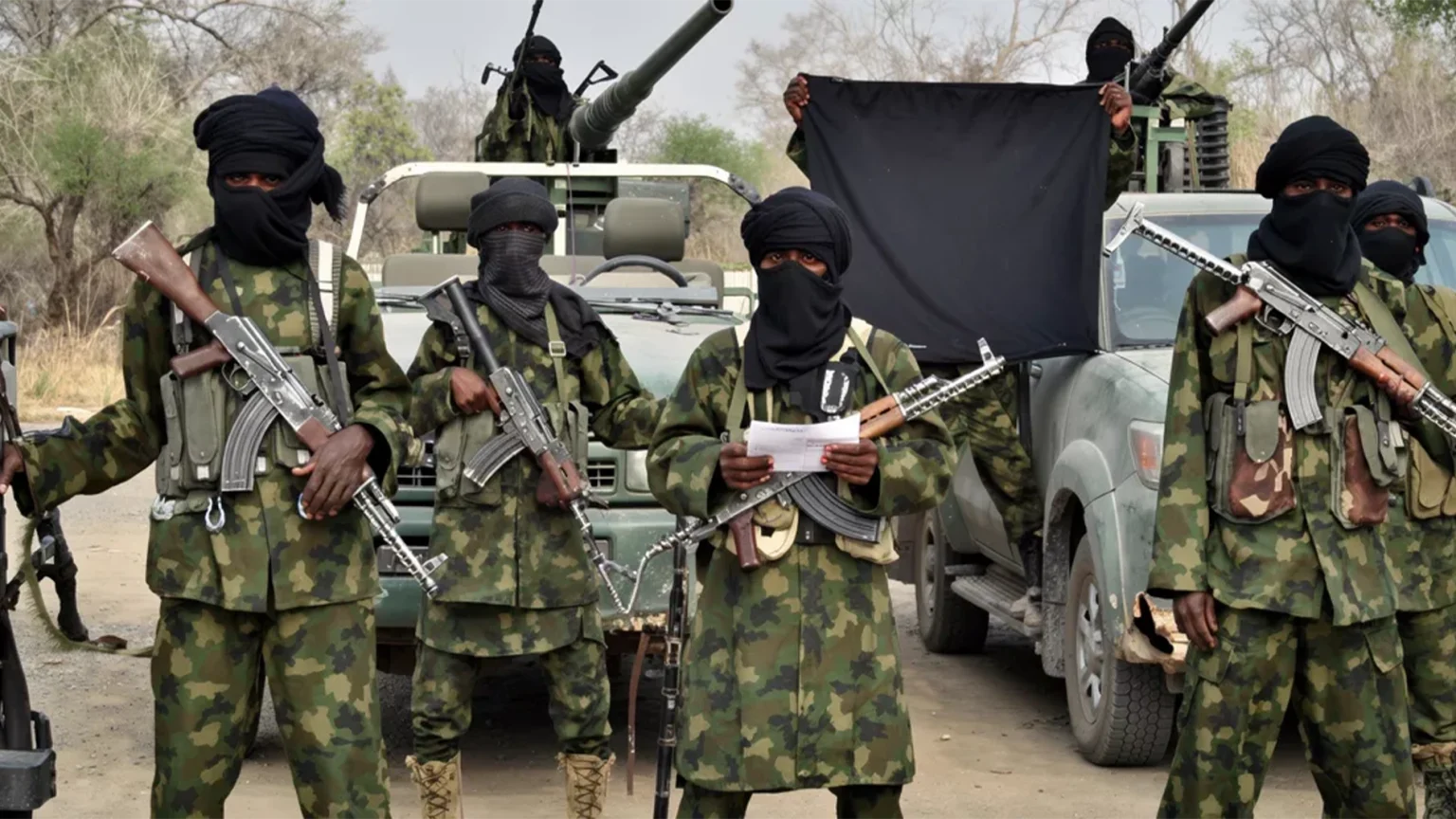
The report attributed most attacks in Nigeria to Islamic State West Africa Province and Boko Haram, which together accounted for about 80% of terrorism-related deaths in 2025. Civilians were the primary targets, making up 67% of victims, while military personnel accounted for 19%.
The Sahel region remained the global epicenter of terrorism for the third consecutive year, accounting for nearly half of all terrorism-related deaths worldwide, according to the report.
Nigeria was the only country in sub-Saharan Africa where both terrorism deaths and incidents rose simultaneously, even as several countries in the region recorded improvements.
The report also highlighted a growing concentration of terrorism, with nearly 70% of global deaths occurring in just five countries: Pakistan, Burkina Faso, Nigeria, Niger and the Democratic Republic of Congo.
In Nigeria, Borno state remained the epicenter of violence, accounting for more than two-thirds of attacks and deaths. A May attack by Boko Haram militants on the villages of Mallam Karamti and Kwatandashi in Kukawa local government area was among the deadliest incidents recorded during the year.
A newer militant group, Lakurawa, also emerged as a growing threat, carrying out 10 attacks and killing 74 people in 2025.
Reacting to the report, the Sultan of Sokoto, Muhammadu Sa’ad Abubakar, called for a more aggressive military strategy against insurgents.
“Take the war to the terrorists where they are. Don’t wait for them to strike,” he said, expressing concern over renewed attacks in Borno and warning against a return to previous periods of intense violence.
Opposition parties and civil society groups criticized the government’s handling of security, arguing that increased funding has not translated into improved outcomes.
The African Democratic Congress blamed rising insecurity on what it described as government inattention, while the Peoples Democratic Party accused authorities of prioritizing politics over public safety.
Former presidential candidate Peter Obi described the findings as a “painful indictment of failed leadership,” noting that Nigeria was moving in the opposite direction as many countries recorded declines in terrorism.
Security analyst Kabir Adamu said the crisis is driven by a mix of socioeconomic challenges, weak governance and ineffective counterterrorism strategies. He emphasized that military action alone is insufficient and called for a broader approach addressing underlying causes.
Meanwhile, a separate report by Transparency International Defence and Security and the Civil Society Legislative Advocacy Centre warned that corruption within Nigeria’s defense sector is undermining efforts to combat insecurity.
The 2025 Government Defence Integrity Index rated Nigeria as facing a “very high” risk of corruption, citing weak oversight, opaque spending and limited accountability as key challenges.
The report found that large portions of defense expenditure remain classified, reducing transparency and limiting effective scrutiny by oversight institutions, including the National Assembly.
It also highlighted weaknesses in procurement processes, diversion of operational funds and inadequate anti-corruption safeguards within military operations, all of which affect troop effectiveness and public trust.
Without stronger oversight and transparency, the report warned, corruption will continue to weaken Nigeria’s ability to address insurgency, banditry and other security threats.