






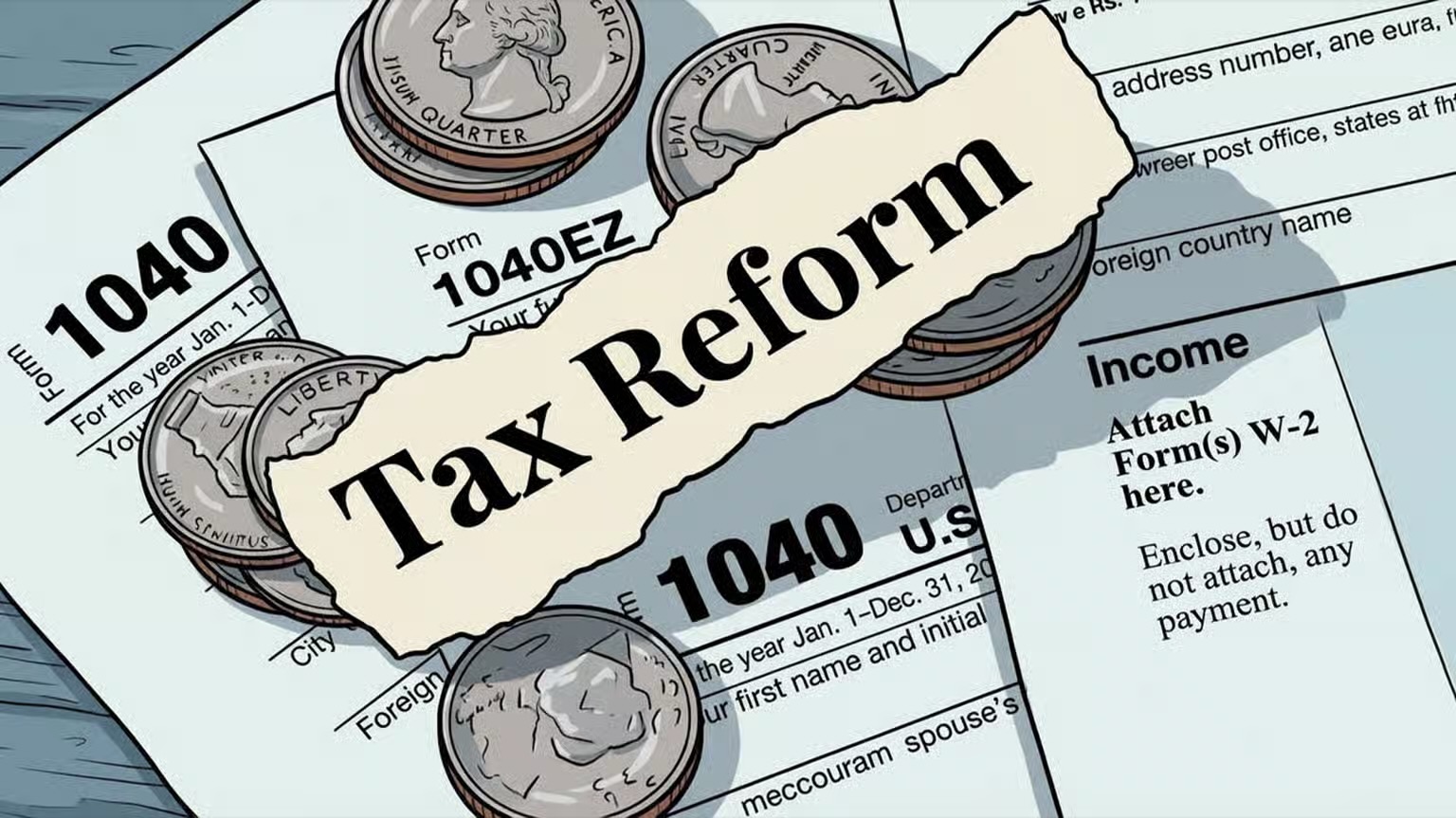
Mounting resistance from civil society groups, business owners, and legal experts now challenges the Federal Government’s plan to implement the newly gazetted tax laws by January.
The controversy centers on the recent publication of the Finance Act and other tax regulations without wide public consultation. Critics argue that rushing the implementation could harm small businesses, confuse taxpayers, and worsen inflation.
Groups like the Nigerian Bar Association (NBA) and the Centre for Fiscal Transparency have urged the government to delay the rollout. They insist that clarity, stakeholder engagement, and economic impact assessments must come first. Several tax consultants also warned that the sudden changes may result in legal disputes and non-compliance.
The Federal Inland Revenue Service (FIRS), however, insists that the reforms aim to increase efficiency and revenue generation. It claims the laws align with global standards and will modernize Nigeria’s tax system. But many stakeholders still believe the timing is wrong, especially with the cost-of-living crisis.
Meanwhile, the National Assembly has called for a review of the implementation timeline. Some lawmakers believe postponing it would help address public concerns and allow proper awareness campaigns.
As the January deadline approaches, tension remains high. Without consensus, the government may be forced to delay or modify the rollout. The coming weeks will reveal whether dialogue or confrontation will shape the future of Nigeria’s tax system.








