






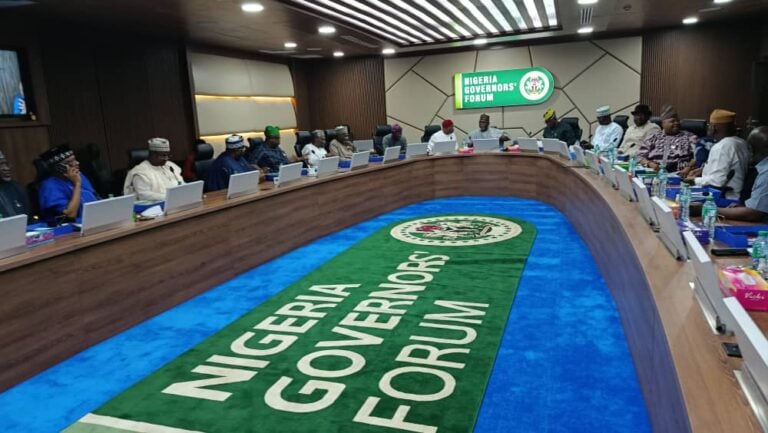
Tensions are escalating between state governors and the Nigerian National Petroleum Company Limited (NNPC) following claims that the company failed to remit $42 billion in oil revenues. The allegations have revived persistent concerns about accountability and transparency within Nigeria’s oil industry.
The dispute intensified after members of the Nigeria Governors’ Forum (NGF) reportedly raised alarms over discrepancies in crude production figures, export volumes, and dollar inflows recorded over several years. According to some governors, early reviews uncovered what they described as “substantial gaps” between the market value of oil exports and the funds transferred to the Federation Account.
NNPC has strongly rejected the accusations, maintaining that all remittances were made strictly in accordance with established regulations. The company attributed any perceived shortfalls to factors such as global price volatility, subsidy payments, rampant pipeline vandalism, and longstanding cash-call obligations. It further criticized certain political actors for “misrepresenting complex financial processes” for sensational effect.
Unconvinced, the governors are pushing for an independent forensic audit to verify the figures. They argue that precise revenue reporting is especially critical as many states face increasing fiscal pressures, including unpaid salaries, rising debts, and declining internally generated revenue.
Meanwhile, the Presidency has urged caution from both sides, quietly supporting the establishment of a technical review panel to examine the claims. Economic experts warn that prolonged conflict over the issue could damage investor confidence in Nigeria’s petroleum sector if not resolved transparently.








