Opposition parties and civil society groups on Wednesday criticized President Bola Ahmed Tinubu for signing the Electoral Act 2026 (Amendment) into law, describing the move as a setback for electoral reforms ahead of the 2027 general elections.
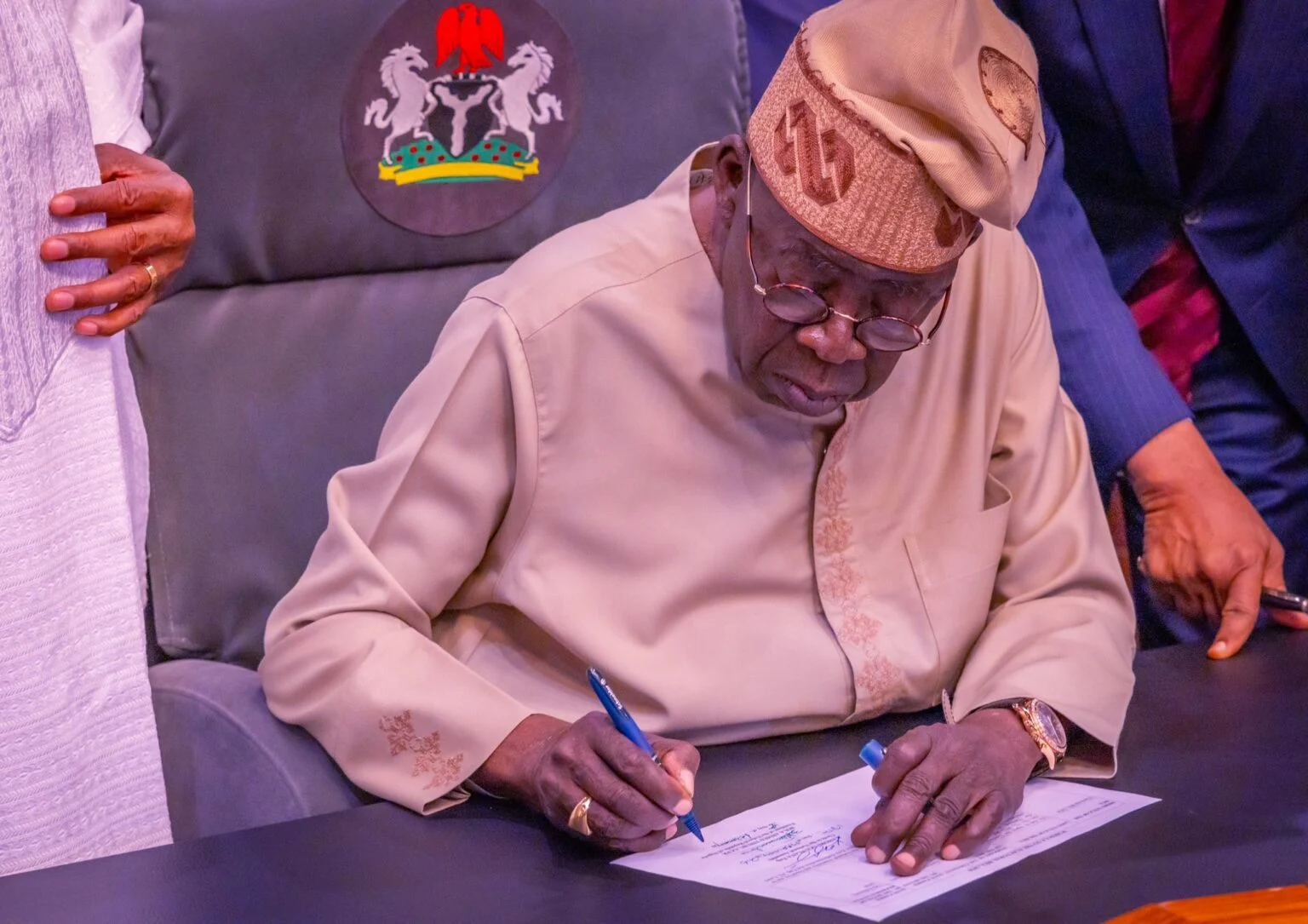
Tinubu assented to the bill at the Presidential Villa in Abuja, less than 24 hours after it was passed by both chambers of the National Assembly. The amendment introduces provisions for electronic transmission of results from polling units but allows manual collation in areas where technology fails or telecommunications infrastructure is weak.
The Peoples Democratic Party said the president’s swift approval of the legislation was politically motivated and alleged it undermines transparency. In a statement by its spokesperson, the party described the development as “a dark day for democracy” and accused the ruling All Progressives Congress of pushing the amendment out of fear of losing in 2027.
Civil society organizations also expressed concern. Samson Itodo, executive director of YIAGA Africa, said the amendment was a missed opportunity for comprehensive reforms and argued that provisions on electronic transmission made the process vulnerable to manipulation. Friday Odeh of Accountability Lab said allowing manual transmission alongside electronic transmission could weaken election integrity.
However, Auwal Musa of the Civil Society Legislative Advocacy Centre said that while the law is not perfect, it provides a framework that can be improved through continued advocacy.
At the signing ceremony, Tinubu questioned Nigeria’s broadband capacity to sustain real-time electronic transmission nationwide and said credible elections depend on proper human oversight as well as technology.
Senate President Godswill Akpabio said the amended law addresses concerns about result manipulation by mandating the electronic transmission of polling unit results to INEC’s Result Viewing Portal while retaining signed paper result forms, known as EC8A, as the primary source of collation.
He said the amendment also introduces direct primaries for political parties and provides that fresh elections be conducted if a declared winner is later disqualified by a court, instead of awarding victory to the runner-up.
Speaker of the House of Representatives Abbas Tajudeen said the law reduces the election notice period from 360 days to 300 days, a change he said could shift the 2027 presidential and National Assembly elections to January and avoid holding them during Ramadan.
The amendment comes days after the Independent National Electoral Commission released the timetable for the 2027 elections, scheduled for Feb. 20 for presidential and National Assembly contests and March 6 for governorship and state assembly polls.
Meanwhile, Federal Capital Territory Minister Nyesom Wike praised Tinubu for promptly signing the bill, saying it demonstrates a commitment to strengthening Nigeria’s democratic process.