Nigeria’s spending on fuel imports dropped by 54% to 6.7 billion over a two-year period, marking a significant shift driven by rising domestic refining efforts, according to new government data.
The milestone follows increased output from local refineries, including the Dangote Refinery and other modular plants. Analysts say the reduction signals progress toward energy self-sufficiency and reflects the government’s push to cut reliance on foreign petroleum products.
Figures from the National Bureau of Statistics show that fuel import bills fell steadily from over14.4 billion in 2021 to $6.7 billion by the end of 2023. Officials credit the drop to improved refining capacity and tighter fuel import regulations.
“This decline shows we’re on the right path,” said an official from the Ministry of Petroleum Resources, who asked not to be named. “With more local refineries coming online, we expect further reductions.”
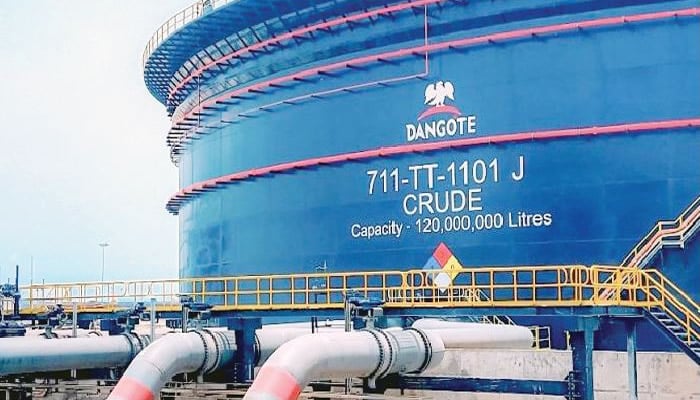
The Dangote Refinery, which began operations in 2023, is a key driver of the shift. The plant currently produces millions of liters of refined products daily, easing pressure on foreign exchange reserves and reducing supply gaps.
Industry experts say the reduced import spending also reflects government policies that promote local production and address fuel smuggling.
While the country still imports some fuel, stakeholders believe full refining independence is within reach. “If the trend continues, Nigeria could save billions annually and stabilize its energy sector,” said energy analyst Kunle Abiola.
The government has vowed to support ongoing investments in refining to sustain the momentum and meet growing domestic demand.