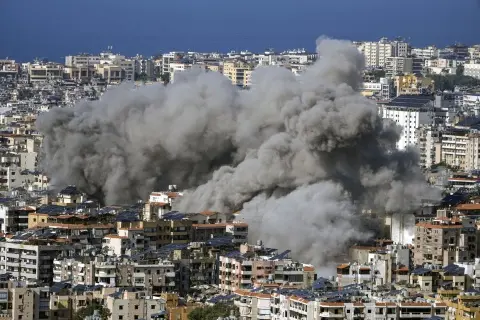
UN Women has raised alarm over worsening humanitarian conditions in Lebanon, saying at least 620,000 women and girls have been displaced following the latest escalation of conflict.
In a statement, Gielan El Messiri said women and girls account for more than half of those displaced, a figure that represents nearly a quarter of all women and girls in the country, including Lebanese, Syrian, Palestinian and migrant communities.
She said the crisis has deepened existing inequalities such as limited access to income, weak legal protections and inadequate social services, exposing women to heightened risks.
About 85% of displaced women and girls are living outside formal shelters, often in overcrowded apartments and informal settlements, particularly in Beirut and Mount Lebanon, El Messiri said.
“These conditions are not only difficult but dangerous, increasing exposure to exploitation, abuse and gender-based violence,” she said, adding that disruptions to protection and justice systems have made it harder for victims to report violations or seek help.
El Messiri said many women are resorting to desperate coping strategies, including skipping meals to feed their children, while elderly women face life-threatening risks due to a lack of medication for chronic illnesses.
She added that shortages of hygiene supplies and limited access to health care have forced some pregnant women to give birth in unsafe conditions, as mental health challenges continue to rise.
“Women describe constant fear, sleeplessness and exhaustion, while still caring for their children and communities,” she said.
Despite the hardships, El Messiri noted that many women are leading humanitarian response efforts, supporting displaced families and helping maintain stability within affected communities.
She said UN Women is scaling up interventions across major displacement hubs, including protection services, cash-for-work programs and livelihood support.
The agency also echoed the call by the United Nations secretary-general for immediate de-escalation, respect for international humanitarian law and expanded gender-responsive humanitarian assistance.