The United States and Iran announced they have reached an agreement aimed at ending hostilities across the Middle East, including in Lebanon, and reopening the strategically important Strait of Hormuz, though major questions remain about Tehran’s nuclear program.
The agreement is expected to be signed Friday in Switzerland, marking a significant diplomatic breakthrough after months of conflict that has claimed thousands of lives and disrupted global energy markets.
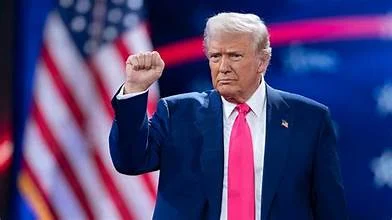
President Donald Trump announced the development Sunday, saying the Strait of Hormuz, a critical route for global oil shipments, would reopen following the signing.
“The deal with the Islamic Republic of Iran is now complete,” Trump wrote on social media. “Ships of the world, start your engines. Let the oil flow!”
Iranian Deputy Foreign Minister Kazem Gharibabadi said the agreement would bring an “immediate end” to the conflict and that both countries would begin negotiations within two months toward a final settlement.
Earlier Sunday, Tehran had threatened retaliation following an Israeli strike on Beirut’s southern suburbs targeting Hezbollah, an Iranian-backed militant group. The attack briefly raised concerns that efforts to secure an agreement could collapse.
Later in the day, Pakistani Prime Minister Shehbaz Sharif announced that both sides had agreed to an immediate and permanent cessation of military operations.
“Both sides have declared the immediate and permanent termination of military operations on all fronts, including in Lebanon,” Sharif said, thanking Qatar, Saudi Arabia and Turkey for supporting mediation efforts.
Details of the agreement remain unclear.
Iran’s Mehr News Agency reported that the United States would release $12 billion in frozen Iranian assets before negotiations begin. The agency cited a 14-point memorandum of understanding that would allow the release of an additional $24 billion in frozen assets during a 60-day negotiation period following the signing.
The Trump administration did not immediately comment on those reported provisions.
A key unresolved issue remains Iran’s nuclear program. In an interview with The New York Times, Trump said Washington and Tehran were still negotiating the duration of a potential suspension of uranium enrichment. He said the United States was seeking a 20-year suspension but suggested a 15-year agreement could also be considered.
The announcement was welcomed internationally.
United Nations Secretary-General Antonio Guterres described the agreement as a “critical step” toward ending the conflict. Britain, France, Germany and Italy said they were prepared to lift sanctions on Iran and would work with regional and international partners to secure a long-term diplomatic settlement.
Financial markets also reacted positively. Oil prices fell more than 4% in Tokyo trading Monday, while Japan’s Nikkei index gained about 3%.
The closure of the Strait of Hormuz had contributed to higher global energy prices, fueling inflation and disrupting supply chains, including shipments of fertilizer and other essential goods.
Vice President JD Vance said reopening the waterway could lower energy costs and boost economic growth across the region.
“What we’re going to be able to do is drive down the cost of energy, not just now but for the long term, and create a real engine of prosperity in the Middle East,” Vance told Fox News.
He said he plans to attend the signing ceremony in Geneva and that Trump could also participate.
The agreement follows a tense day in which Trump publicly criticized Israeli Prime Minister Benjamin Netanyahu over the Beirut strike, which he said delayed progress toward the deal.
In an interview with Axios, Trump expressed frustration with Israel’s actions, saying he had personally conveyed his displeasure to Netanyahu.
The latest strike in Beirut threatened a ceasefire that has largely held since April. Previous Israeli attacks on Hezbollah positions prompted retaliatory missile launches by Iran and subsequent Israeli airstrikes.
Iran has consistently maintained that any comprehensive agreement to end regional hostilities must also address the conflict in Lebanon, where Israel has continued military operations against Hezbollah.