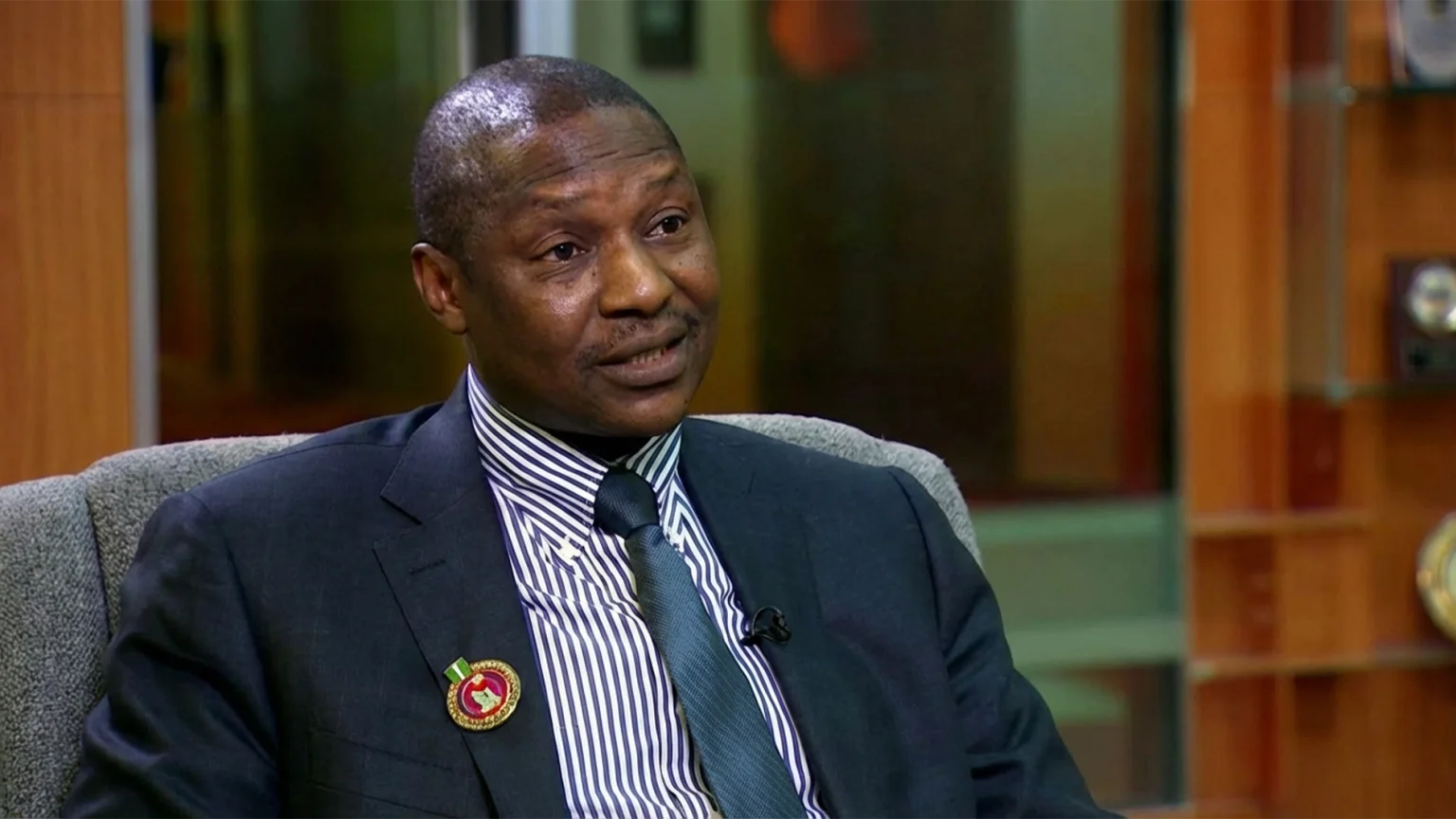
Former Attorney General of the Federation and Minister of Justice, Abubakar Malami, has accused the Economic and Financial Crimes Commission of unlawful conduct following a raid on his residences and business premises.
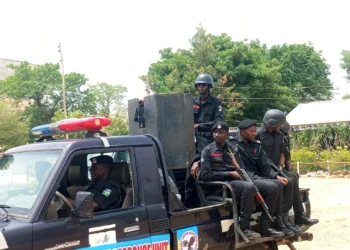
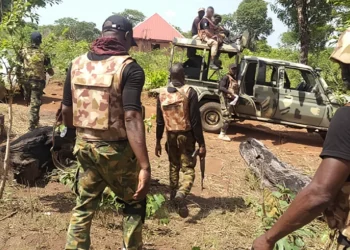
In a statement, his special assistant on media, Mohammed Bello Doka, said EFCC officials, accompanied by heavily armed security personnel, forcefully entered and took over properties linked to Malami without presenting a valid court order authorizing the action. He added that two individuals were taken into custody during the operation.
Doka said the incident occurred shortly after a solidarity visit by former Vice President Atiku Abubakar, raising concerns about the timing and possible political motives behind the raid.
He noted that a case filed by the EFCC against Malami remains pending before the Federal High Court in Abuja, presided over by Justice Joyce Abdulmalik. He said the court has not issued a final ruling or any order authorizing the invasion and marking of the properties.
According to Doka, the interim forfeiture order cited by the EFCC has expired. He said the ex parte order granted on Jan. 6, 2026, was valid for 14 days and has since lapsed, making it inapplicable to the agency’s actions.
He said EFCC operatives failed to produce any court order when asked to justify the operation.
Doka accused the commission of unlawfully occupying and marking Malami’s properties in violation of due process.
He described the action as a disregard for the rule of law, an abuse of power and a dangerous precedent in a constitutional democracy. He alleged the move was intended to harass and intimidate Malami because of his political affiliations.
Doka said Malami supports accountability and anti-corruption efforts but insisted such actions must follow the law. He added that Malami would cooperate with lawful judicial processes and defend his rights through legal means.
He also called on Nigerians and the international community to take note of the development and its implications for the rule of law and democratic governance in Nigeria.