Opposition parties in Nigeria signaled renewed confidence ahead of the 2027 general elections, vowing to challenge the ruling All Progressives Congress despite its control of 31 states.
The African Democratic Congress and Peoples Democratic Party said they are positioning for a stronger contest as political realignments gather pace.
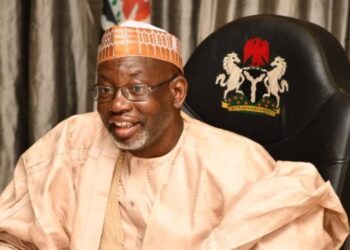
The Kwankwasiyya Movement announced that its leader, Rabiu Musa Kwankwaso, will formally join the ADC, marking a significant shift in the opposition landscape. The move is expected to strengthen the party’s presence, particularly in northern Nigeria, where Kwankwaso commands a loyal base.
In a statement, the movement’s spokesperson, Habibu Sale Mohammed, said the decision reflects a commitment to democratic values and good governance, urging members nationwide to register with the ADC.
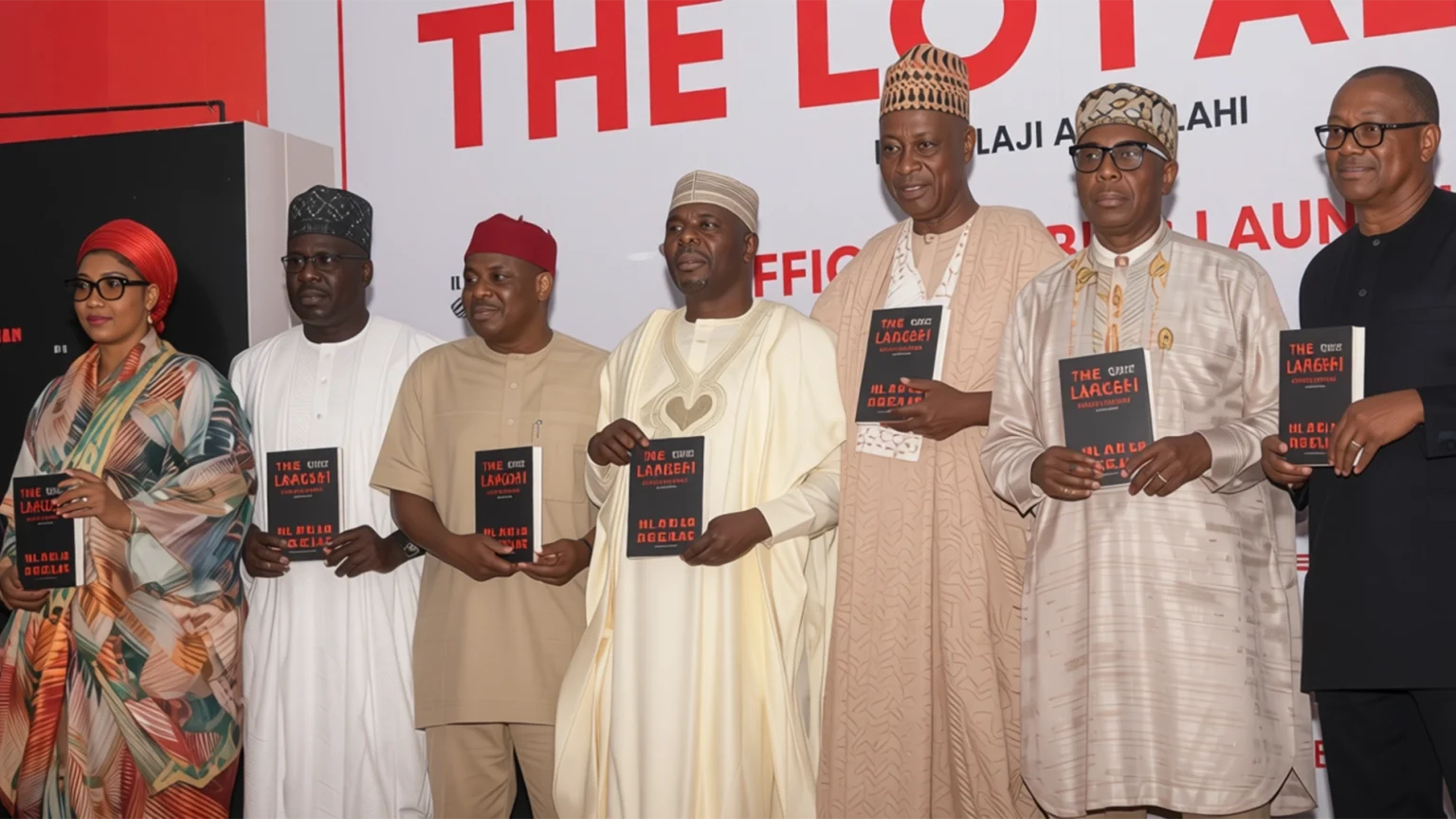
The announcement comes days after Kwankwaso hosted key political figures, including Peter Obi, Seriake Dickson and Seyi Makinde, during the Sallah celebrations in Kano. The meeting fueled speculation about a broader opposition alliance that could reshape the 2027 race.
Analysts say such an alliance could combine Obi’s strong youth support with Kwankwaso’s northern following, potentially altering electoral dynamics.
Kwankwaso’s decision to join the ADC instead of the APC followed unsuccessful talks with the ruling party. He had reportedly sought a clear political role, including the vice-presidential slot, but negotiations broke down after party leaders rejected the demand.
A former APC official, Bashir Ahmad, said the defection could affect the party’s prospects in Kano but described the situation as manageable if the party remains united.
Amid a growing influx of defectors, the ADC said it is considering adopting a consensus method to select its presidential candidate for 2027. The party’s National Publicity Secretary, Bolaji Abdullahi, said the approach is the most cost-effective option and could help avoid internal divisions.
“We are trying as much as possible to adopt the consensus approach because that is the least costly for us,” Abdullahi said in a television interview, adding that indirect primaries are no longer under consideration under the amended electoral law.
Potential aspirants linked to the party include former Vice President Atiku Abubakar, Obi and former Transport Minister Rotimi Amaechi, although none has formally declared.
Meanwhile, a civic group known as the Village Boys Movement has called on the ADC to give its presidential ticket to Obi, staging rallies and registration drives across multiple states to demonstrate grassroots support.
Former Ekiti State Gov. Ayodele Fayose said the ADC’s chances in 2027 would depend heavily on Obi’s participation. “If Obi is not on the ballot of ADC, that is the end of ADC,” he said, while expressing doubts about Obi’s path to the presidency.
Separately, the PDP is holding its national convention in Abuja, with more than 2,000 delegates participating. Federal Capital Territory Minister Nyesom Wike said the party would remain competitive despite internal crises and defections.
Former Senate President Bukola Saraki said the convention reaffirmed the party’s readiness to contest the 2027 elections, citing the presence of the Independent National Electoral Commission as validation of the process.
However, senior PDP figure Olabode George accused the APC of attempting to weaken opposition parties ahead of the vote, alleging political interference that could undermine democratic competition.
In a related development, PDP presidential aspirant Gbenga Hashim has intensified talks with other parties, including the Accord Party and the African Action Congress, as part of efforts to build a broad coalition.
Hashim warned of a “gradual drift toward a one-party state” and criticized the electoral timetable set by the Independent National Electoral Commission, saying it places undue pressure on opposition parties.
Nigeria’s next general elections are scheduled for 2027.