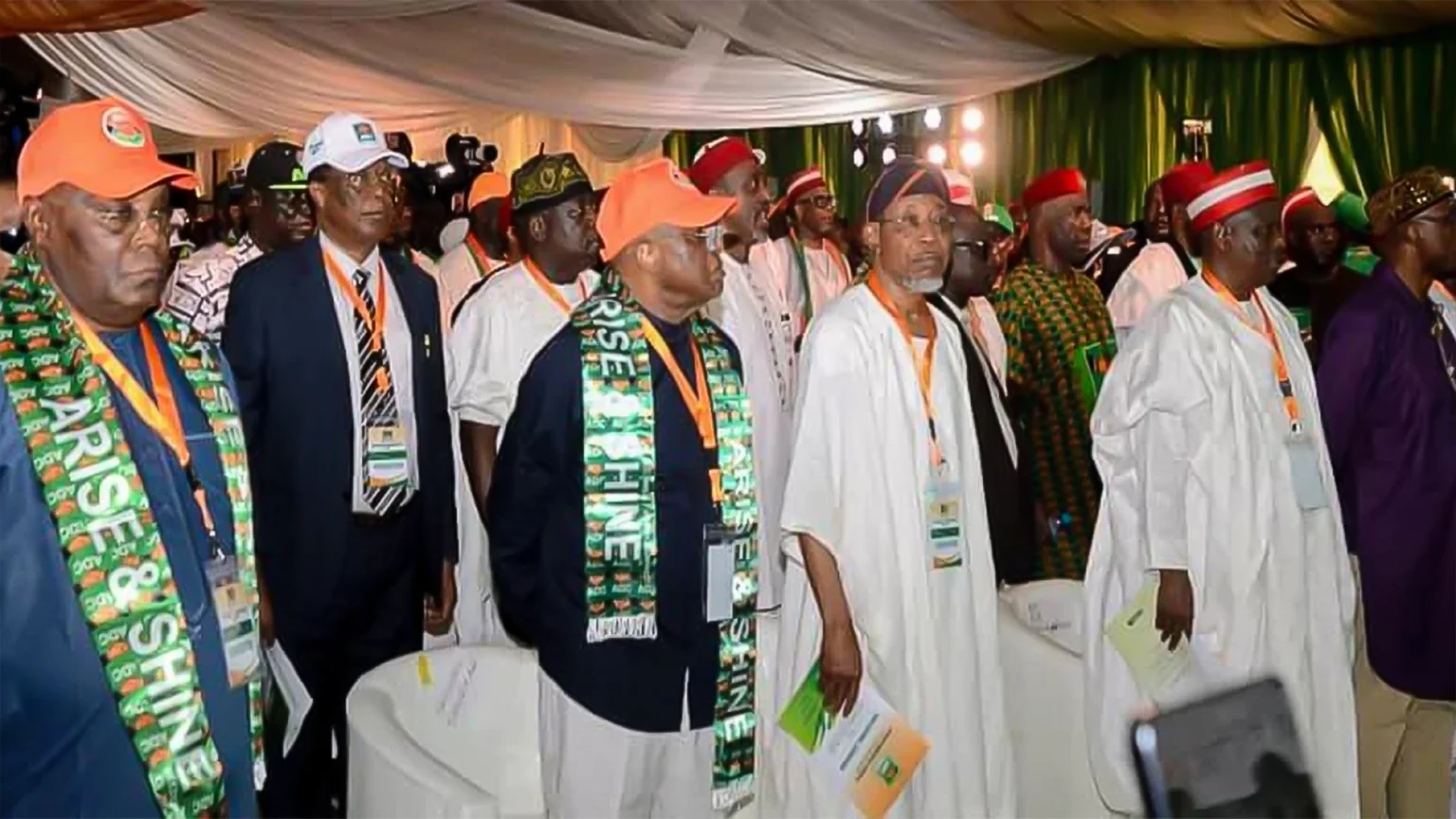
With less than three days before party primaries begin, Nigeria’s political landscape is showing signs of strain as negotiations collapse, alliances shift and opposition parties grapple with internal divisions ahead of the 2027 general elections.
According to the timetable released by the Independent National Electoral Commission, primaries will run from April 23 to May 30, 2026.
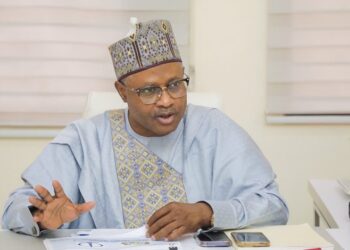
In Bauchi State, Gov. Bala Mohammed is weighing a possible defection to the Nigeria Democratic Congress after last-minute talks with the ruling All Progressives Congress collapsed. Mohammed, who also chairs the Peoples Democratic Party Governors’ Forum, had earlier set aside the African Democratic Congress amid leadership disputes within the party.
The situation was further complicated by the defection of retired Air Marshal Sadiq Abubakar, the APC’s 2023 governorship candidate in Bauchi, to the ADC. Abubakar, who lost the last election to Mohammed, joined the party in July 2025, citing internal challenges within the APC.
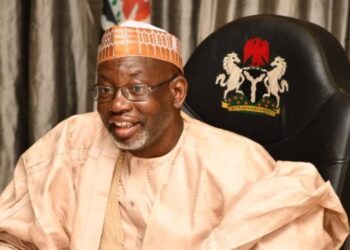
Efforts by Mohammed to join the APC stalled after party leaders in Abuja and Bauchi rejected a proposed 60–40 sharing formula for positions between new entrants and existing members. Following the breakdown, the governor initiated contact with former Bayelsa State governor Henry Seriake Dickson, leader of the NDC, for possible collaboration.
An aide to Dickson, who requested anonymity, said Mohammed is seeking a platform where his supporters can be fully integrated. Mohammed’s ally, Samaila Burga, said APC leaders declined to cede control of the party’s structure in Bauchi, a condition often granted to incumbent governors who defect.
In Adamawa State, divisions have also deepened within the ADC. A faction led by Sen. Aisha Dahiru Ahmed has threatened to leave the party over disputes surrounding state congresses. Ahmed accused former Secretary to the Government of the Federation Babachir David Lawal of working with party officials to sideline her camp and install a rival leadership.
The dispute follows a prolonged struggle among factions for control of the party structure in the state. Ahmed said agreements reached during a reconciliation meeting in Abuja were not honored, with congresses conducted unilaterally upon return to Yola.
Meanwhile, the Labour Party has distanced itself from viral social media posts inviting its former presidential candidate Peter Obi and Rabiu Musa Kwankwaso to return to the party. The posts, circulated on X, urged both men to leave the ADC amid uncertainty within the party.
In a statement issued in Abuja, the Labour Party leadership under Interim National Chairman Nenadi Usman said the posts were unauthorized and did not originate from its national secretariat. The statement, signed by media aide Ken Asogwa, said the party is not currently operating official social media accounts.
The party added that its verified platforms have remained inactive since an internal crisis that led to the removal of former chairman Julius Abure and the dissolution of its National Working Committee. It said the matter has been reported to police for investigation and recovery of the accounts.
Separately, the New Nigeria People’s Party announced a leadership change, electing Kaduna-based politician Bala Mohammed as its national chairman following the resignation of Ajuji Ahmed, who recently joined the ADC.
In a statement, the party expressed concern about the political climate ahead of the 2027 elections, citing economic pressures, insecurity and internal party disputes. It warned of what it described as mounting challenges to democratic processes.
Also reacting, the Alliance for Democratic Rights urged the Council of State to advise President Bola Ahmed Tinubu to uphold democratic principles. The group called for guidance from former leaders, including Olusegun Obasanjo, Goodluck Jonathan and the late Umaru Musa Yar’Adua.
The group raised concerns about alleged interference in opposition parties and warned that such actions could undermine Nigeria’s multiparty system. It also cautioned against increased judicial involvement in internal party matters, saying it could heighten political tensions if left unchecked.